If you want a home that makes it easy to walk to dinner, catch a show, spend time outdoors, and still stay connected to the rest of Greenville, downtown 29601 likely keeps showing up on your list. That makes sense. Daily life here is shaped by convenience, culture, and a compact footprint that feels active without being overwhelming. In this guide, you’ll get a practical look at what everyday living in Downtown Greenville actually feels like, how the housing mix works, and what to expect before you buy. Let’s dive in.
What daily life feels like downtown
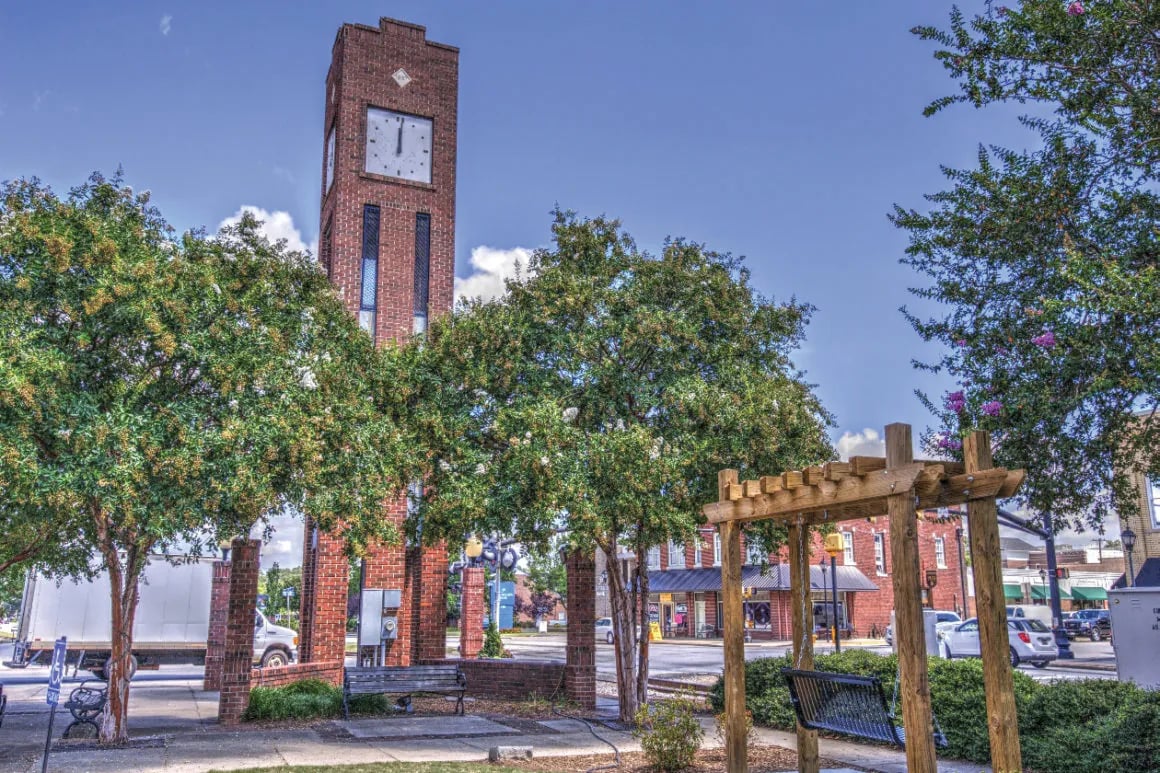
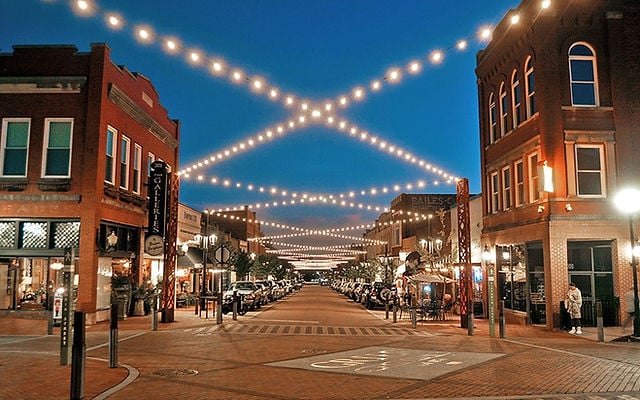
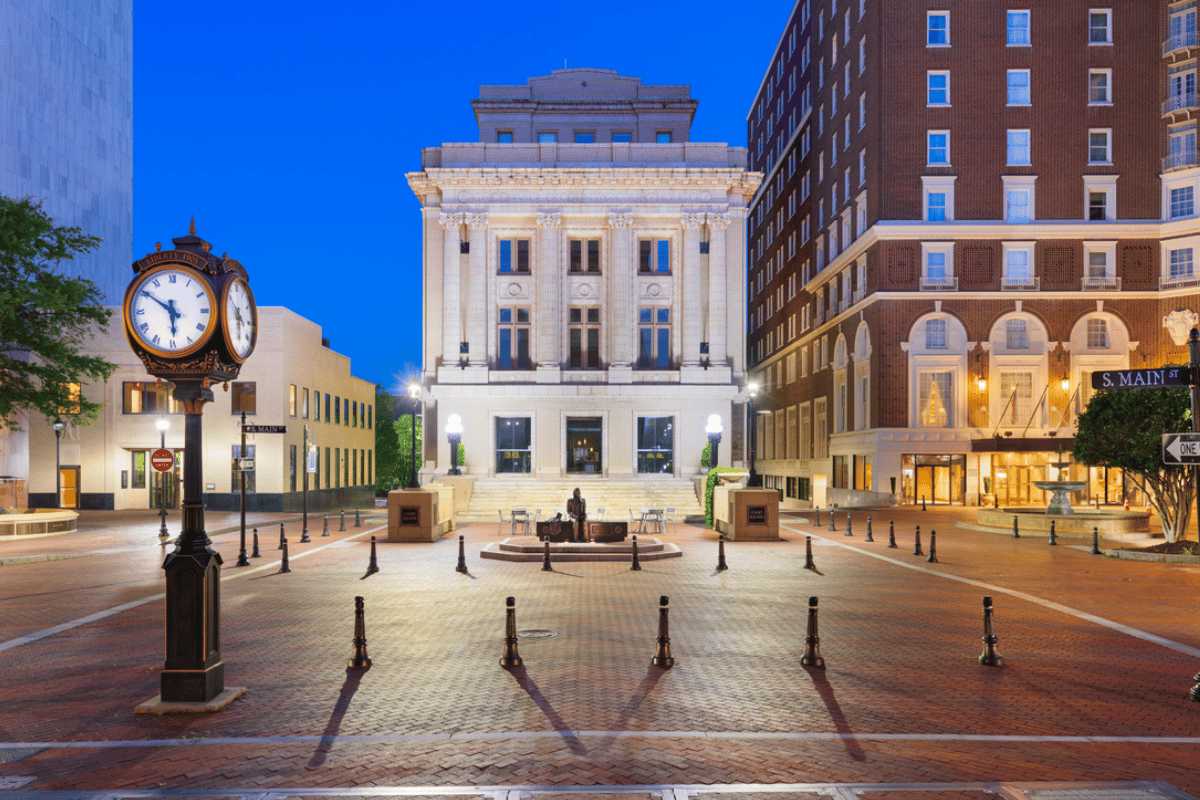
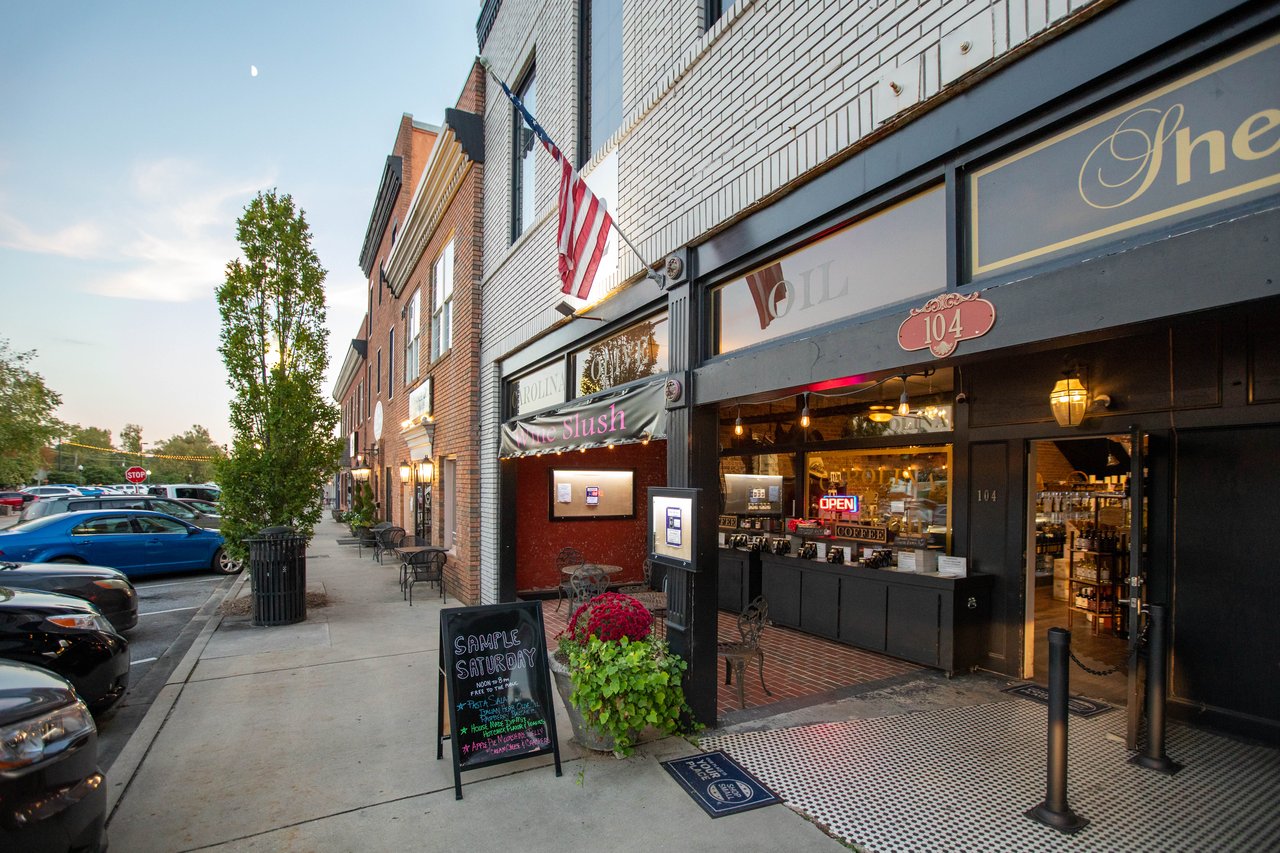
Downtown Greenville is built around a compact urban core, with Main Street acting as the center of daily activity. According to VisitGreenvilleSC, the area connects boutiques, galleries, public art, dining, breweries, Falls Park on the Reedy, the Peace Center, and the museums at Heritage Green. That setup gives you the kind of environment where a quick coffee run can turn into a walk through the park or an evening out.
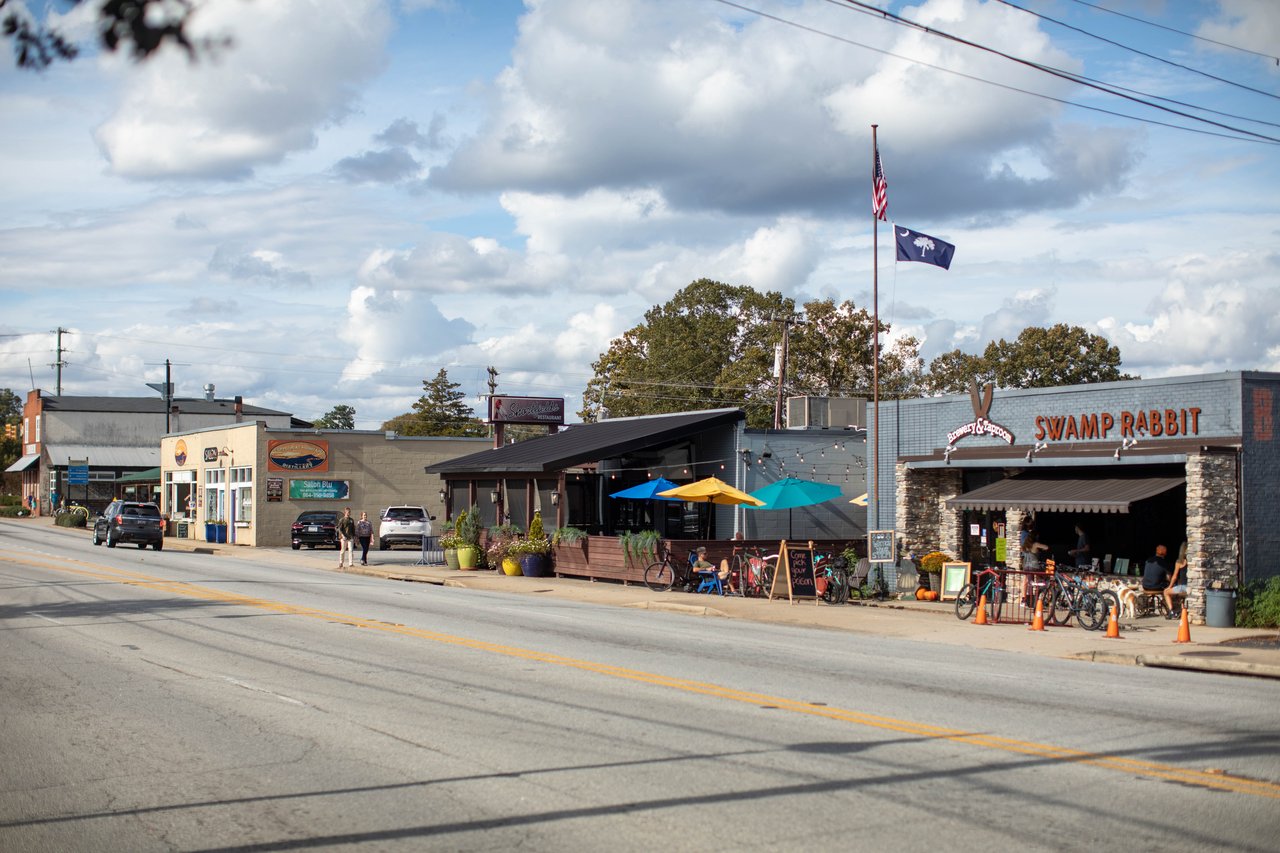
For many buyers, the biggest appeal is how much is packed into a relatively small area. VisitGreenvilleSC reports more than 200 restaurants downtown, and Greenville’s tourism information notes more than 160 pieces of original art displayed throughout streets and parks across the city, including along parts of the Swamp Rabbit Trail network. If you value a walk-first routine, downtown offers a strong case for leaving the car parked more often.
The cultural side of downtown also plays a big role in everyday rhythm. Heritage Green includes the Children’s Museum of the Upstate, Greenville County Museum of Art, Greenville Theatre, Hughes Main Library, and the Upcountry History Museum. The Peace Center adds another major destination on Main Street, while recurring events like Downtown Alive and Fall for Greenville help keep the calendar active throughout the year.
Why walkability stands out
In 29601, convenience is less about being close to one destination and more about being close to many. You can often combine errands, dining, recreation, and entertainment in one outing. That kind of access is a major reason downtown remains a lifestyle-driven micro-market within the larger Upstate region.
Falls Park and the surrounding downtown streets give the area a strong public-space feel. Instead of driving from one destination to another, you may find yourself walking to dinner, meeting friends near Main Street, or spending part of the weekend near the river and trail access points. For buyers comparing downtown with more spread-out parts of Greenville, this is often one of the biggest quality-of-life differences.
Swamp Rabbit Trail adds daily flexibility
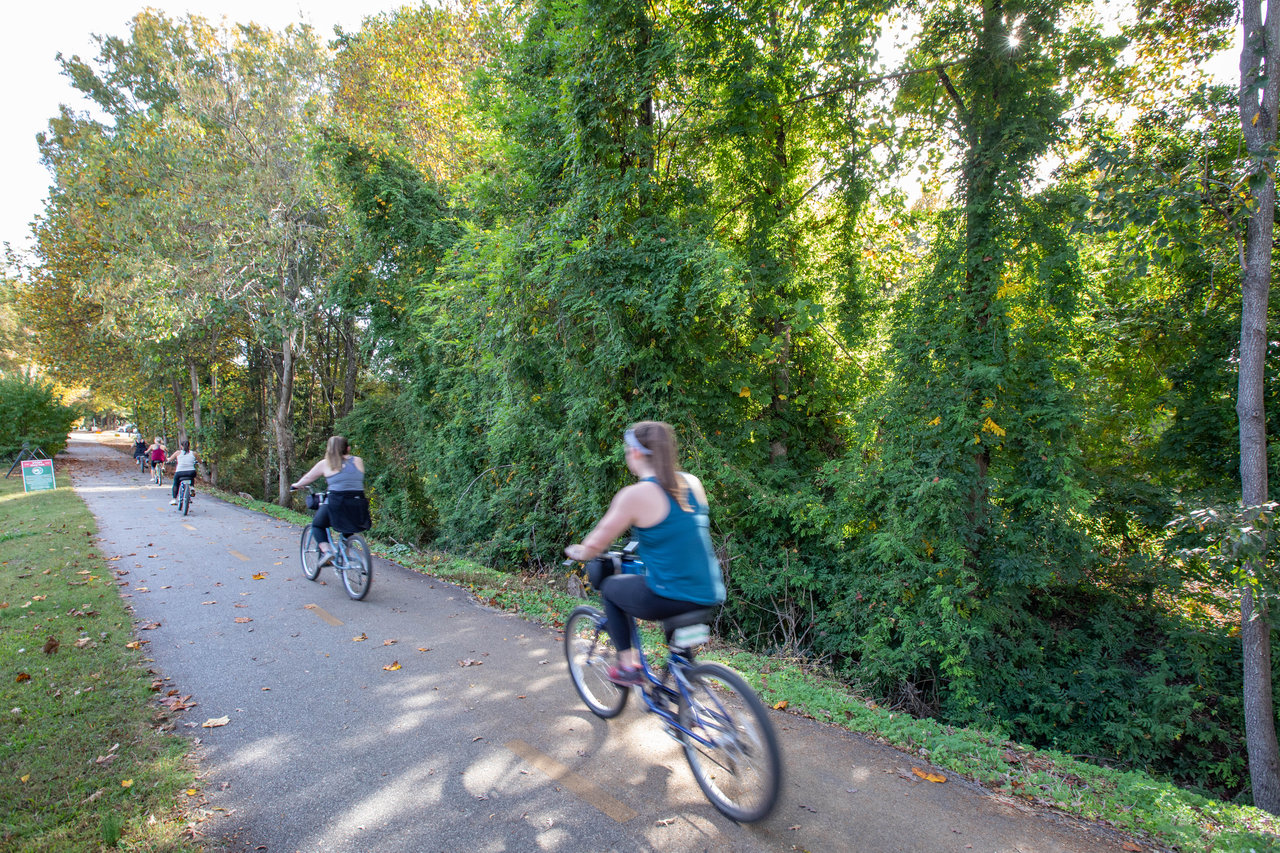
The Swamp Rabbit Trail is one of downtown Greenville’s clearest everyday perks. The City of Greenville describes the Swamp Rabbit Trail Network as a 28-mile multi-use walking and biking greenway connecting Greenville and Travelers Rest, while Greenville County’s 2023 financial report notes 22 paved miles. Either way, the trail’s role in daily life is clear.
For some residents, the trail is mainly recreational. For others, it also works as a practical route for biking, walking, or connecting different parts of the city. If your ideal home search includes outdoor access, exercise options, and a stronger connection to the city’s public spaces, proximity to the trail can be a meaningful factor.
What homes look like in 29601
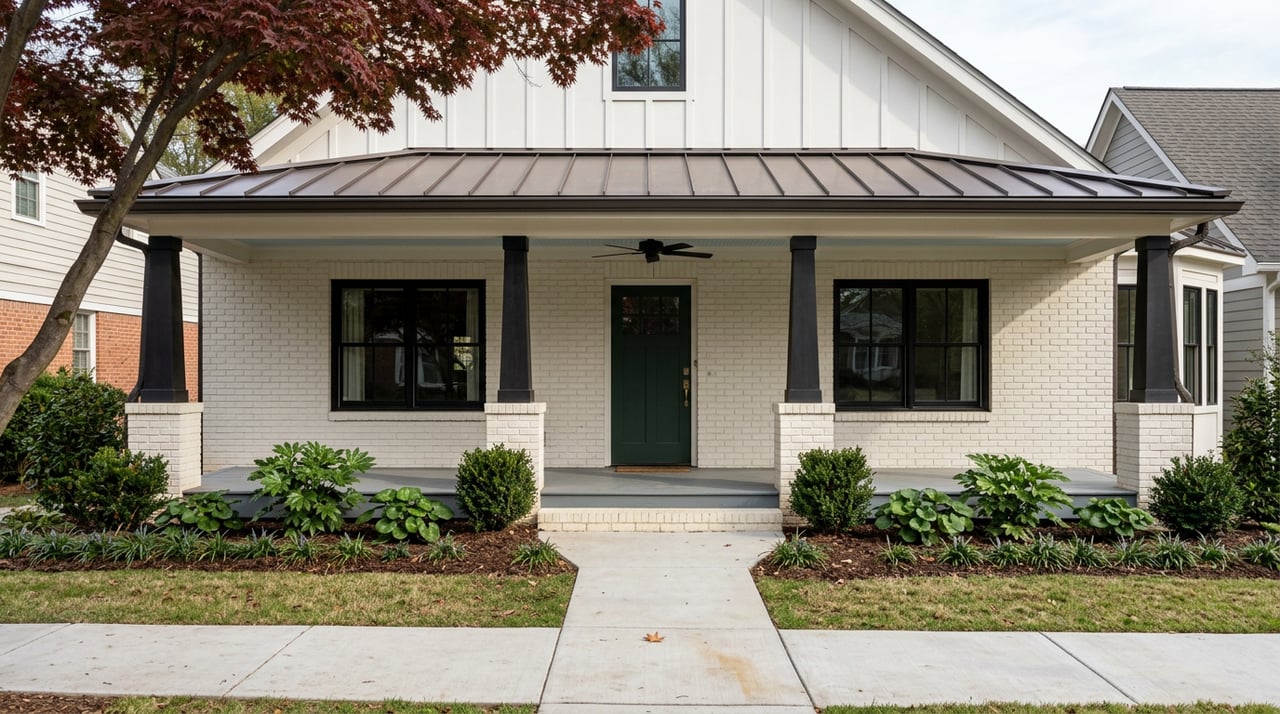
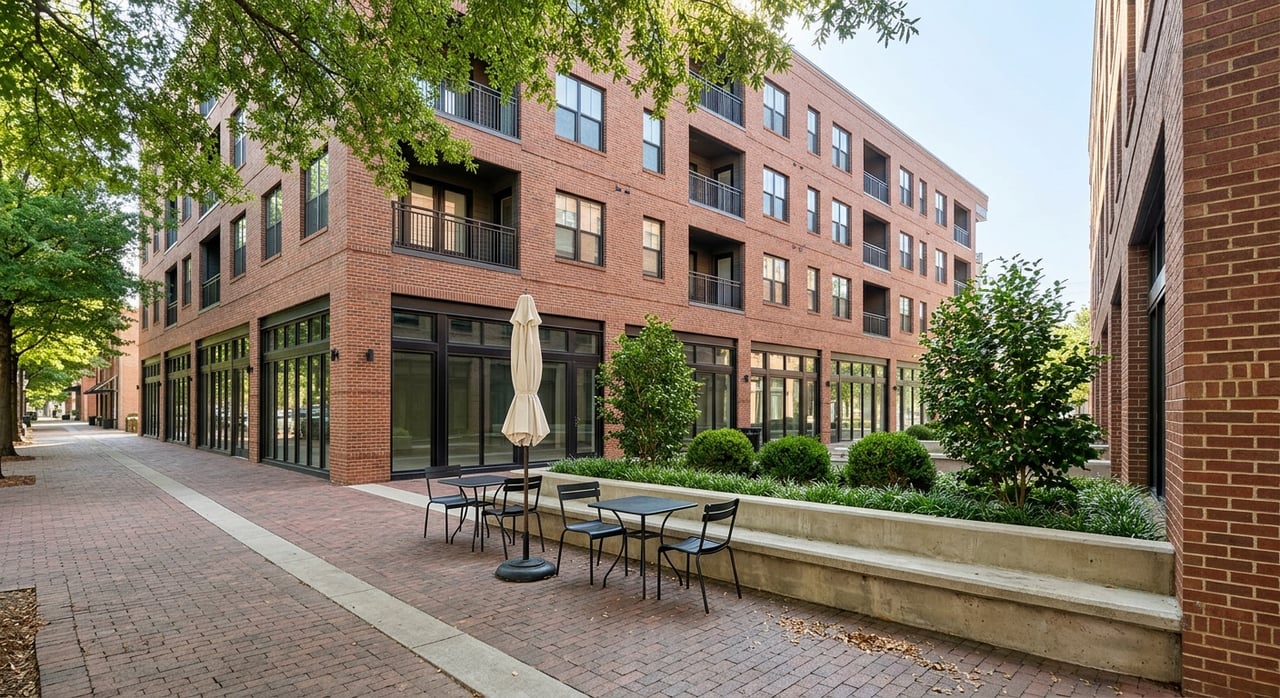
Downtown Greenville has a different housing mix than much of the broader Greenville market. The area leans heavily toward condos and townhomes, with a smaller number of detached homes. That matters if you are coming in expecting block after block of single-family inventory, because that is not how downtown is built.
Downtown townhome data shows 36 condos and 8 townhouses for sale in the last month, while single-family homes shows just 10 active single-family listings. In practical terms, that means your downtown options are often more about location, building style, layout, and amenities than about large-lot detached homes.
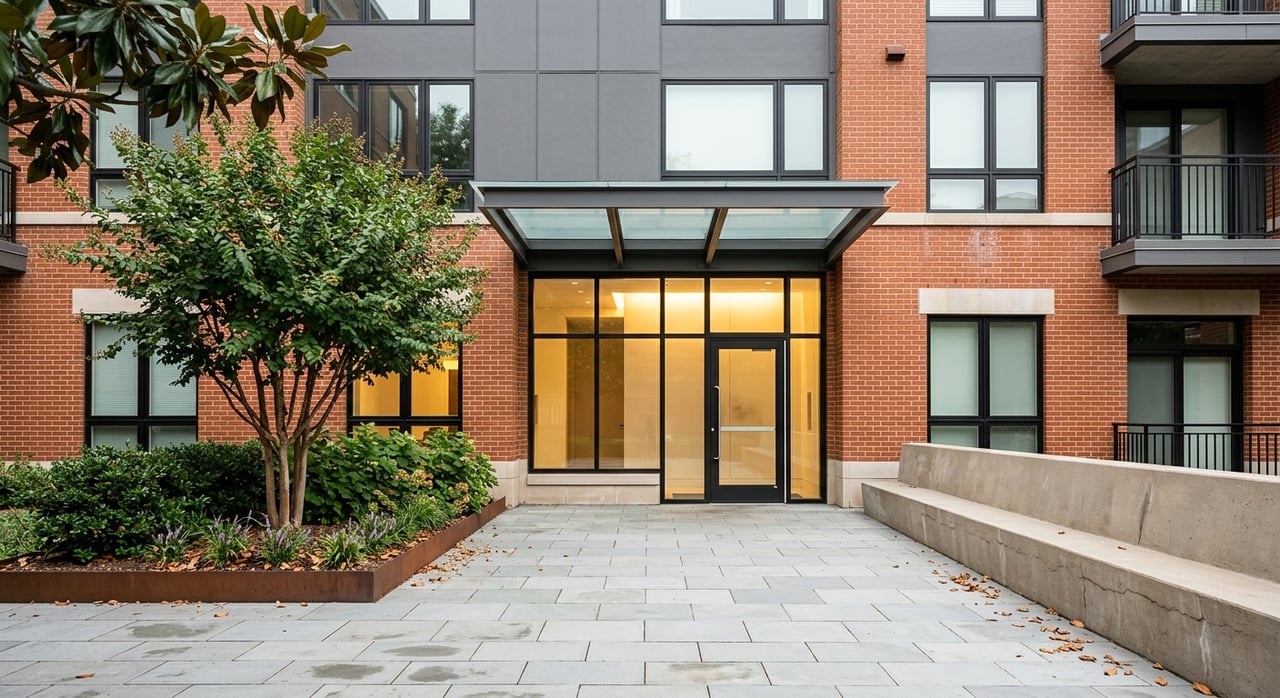
There is also variety within that condo and townhome mix. Current examples in the research include townhome-style condos at Mayberry Village, a townhouse on East Washington Street, and larger condo residences at 400 North Main. If you like a blend of older character and newer mixed-use living, downtown offers both.
Downtown pricing versus the broader market
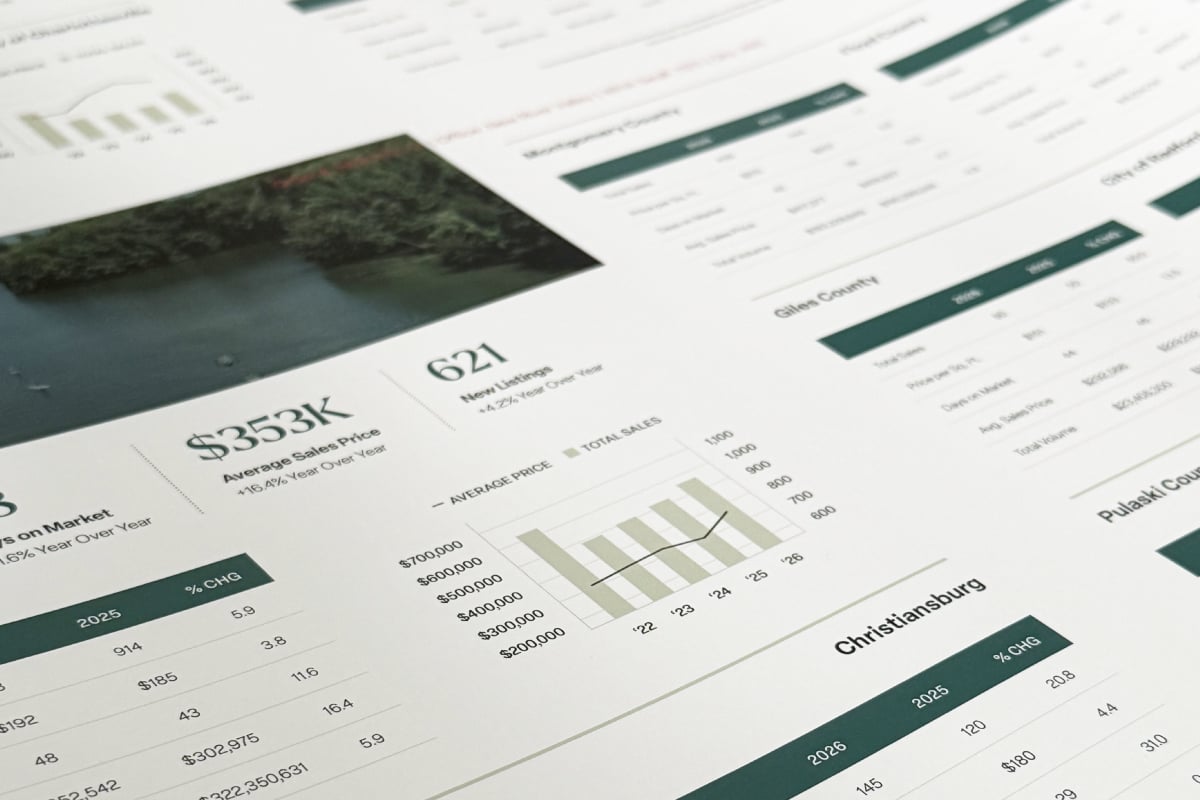
Downtown Greenville carries a clear premium. Greenville MLS reports a median listing price of $729,950 in 29601 and a median rental price of $1,950. By comparison, Greenville County’s median listing price is $399,000, and Greenville city’s median sale price is $480,000.
That price gap helps explain downtown’s position in the market. Buyers here are often paying for walkability, limited inventory, access to amenities, and a housing stock that includes both older character properties and newer urban residences. It is not the broadest or most affordable entry point into Greenville, but for the right buyer, the lifestyle tradeoff may be worth it.
Market pace data also shows a tight, premium submarket, even if sources describe competitiveness a little differently. Greenville MLS reports 51 properties for sale in Downtown Greenville, a median of 43 days on market, and a 99% sale-to-list ratio. Redfin reports a March 2026 median sale price of $540,000, 26 homes sold, and an 80-day median days on market. The safest takeaway is that downtown remains inventory-limited and higher priced than the broader market.
Getting around from downtown
Living downtown can reduce commute friction, but it does not mean you will live fully car-free. The City of Greenville reports a mean travel time to work of 19.0 minutes, compared with 23.4 minutes in Greenville County. That shorter average supports the idea that being close to the city core can simplify day-to-day movement.
At the same time, the broader region is still strongly car-oriented. In the Greenville metro, 76.7% of workers drove alone in 2024, while 11.8% worked from home. Smaller shares walked or used public transit, so it is smart to view downtown as a place where you may drive less often, not necessarily a place where you stop driving altogether.
Greenlink provides a useful public transit option for some trips. The city says Greenlink buses run Monday through Friday from 5:30 a.m. to 11:30 p.m. and Saturdays from 8:30 a.m. to 6:30 p.m., with no Sunday service. One-way fare is $1.50, and buses can carry up to three bikes on racks, with the Downtown Transit Center located at 100 West McBee Avenue.
The free downtown trolley is another practical perk, especially for weekends, events, and evenings out. Official city materials describe the trolley as a public option tied to the downtown core, and Greenlink trolley information says Route 909 operates Friday through Sunday year-round, with additional game-day routes added seasonally. For some residents, that extra layer of convenience adds real value to daily life.
How downtown fits the Upstate market
Downtown Greenville is only one piece of a much larger and growing regional market. The U.S. Census Bureau estimates Greenville city at 74,371 residents in 2024 and Greenville County at 570,745, with both growing since 2020. That growth supports continued demand, but it also helps explain why downtown remains a small, premium niche instead of a high-supply market.
Inventory numbers make that point even clearer. Greenville MLS shows 51 properties for sale in Downtown Greenville versus roughly 4,600 homes for sale in Greenville County. If you are shopping downtown, it helps to think of it as a lifestyle district with limited supply rather than a market with endless options.
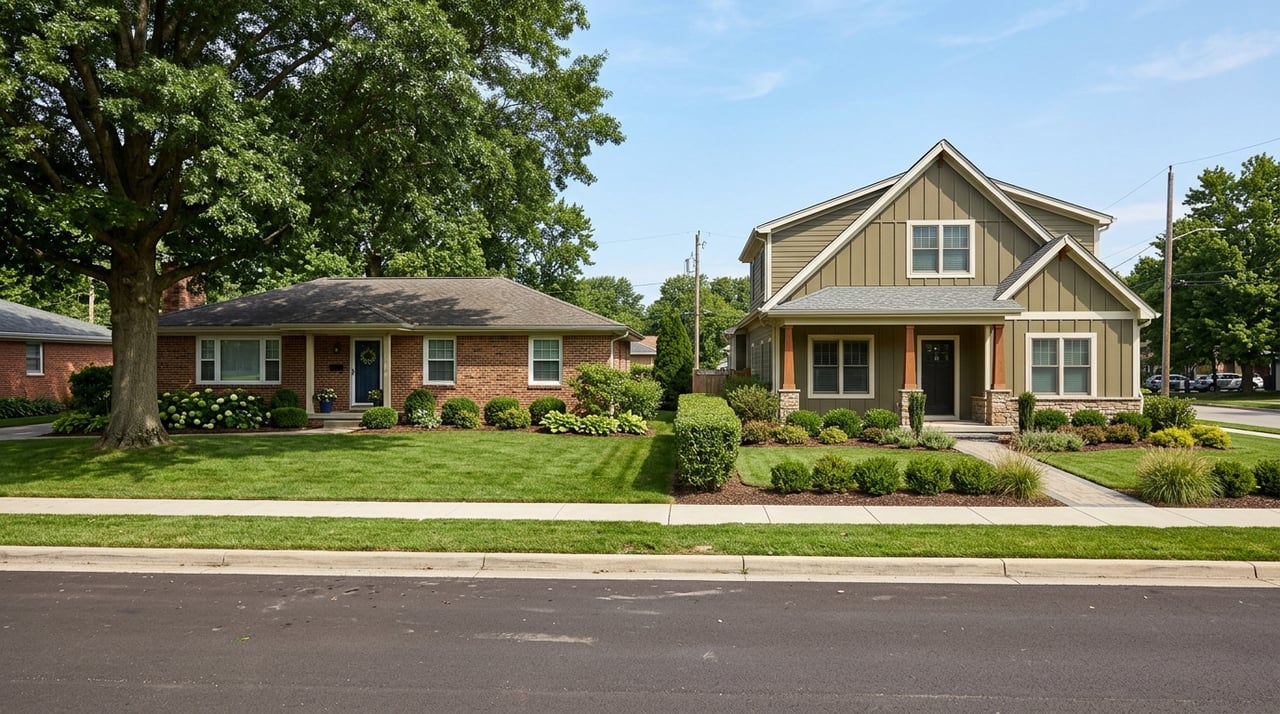
This is where local guidance matters. A downtown condo, a townhome near Main Street, and a detached home just outside the core can all create very different living experiences, even when they are only minutes apart. Looking at the map is one step. Understanding how you want to live each day is the bigger one.
Who downtown living suits best
Downtown Greenville tends to be a strong fit for buyers who want their home to support a specific routine. You may prefer being close to restaurants, performances, parks, and public spaces. You may also care more about convenience, character, and location than about having the largest lot or the most square footage.
It can also work well if you are relocating and want a softer landing in a new city. Living in a central, amenity-rich area can make it easier to get your bearings and feel connected quickly. On the other hand, if your priorities lean more toward larger homesites, broader detached-home inventory, or a quieter setting, other Greenville-area neighborhoods may be a better match.
The key is to match the property type and micro-location to your actual lifestyle. That is especially true in downtown, where price points, building styles, and daily routines can vary meaningfully from one block to the next.
If you are weighing whether downtown Greenville fits your next move, having local guidance can make the search much clearer. The right advisor can help you compare not just prices and listings, but how each option supports the way you want to live. When you are ready to explore 29601 or compare it with other Greenville-area neighborhoods, connect with Nest Realty- Greenville, South Carolina.
FAQs
What is everyday living like in Downtown Greenville, SC 29601?
- Daily life in Downtown Greenville centers on a compact, walkable environment with access to restaurants, public art, parks, cultural venues, and trail connections, especially around Main Street, Falls Park, and Heritage Green.
What types of homes are common in Downtown Greenville?
- Downtown Greenville housing is mostly made up of condos and townhomes, with a smaller number of detached homes available compared with many other parts of Greenville.
How expensive is Downtown Greenville compared with the rest of Greenville?
- Downtown Greenville is generally more expensive than the broader local market, with a reported median listing price of $729,950 in 29601 versus $399,000 in Greenville County.
Can you live in Downtown Greenville without driving everywhere?
- Downtown can reduce how often you need to drive because many destinations are close together, but the broader Greenville area still remains largely car-oriented for most commuters.
Does Downtown Greenville have public transit options?
- Yes. Greenlink bus service operates on weekdays and Saturdays, and the free downtown trolley runs Friday through Sunday year-round, with seasonal game-day service added.
Why do buyers pay a premium for Downtown Greenville homes?
- Buyers are often paying more for walkability, limited inventory, access to dining and entertainment, proximity to the Swamp Rabbit Trail, and a mix of historic character and newer urban housing options.