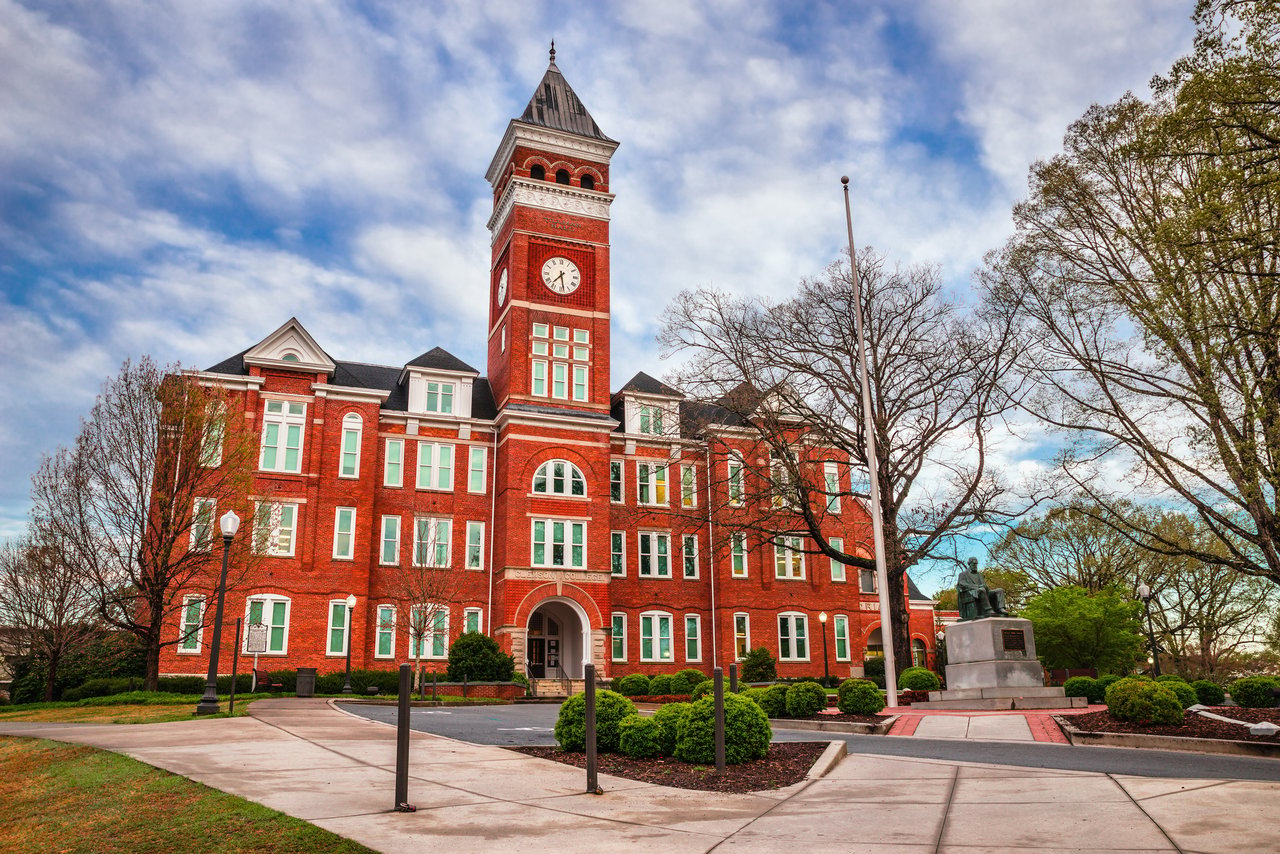
Are you thinking about buying near Clemson University, but wondering whether the area can work for your life long after college-town novelty wears off? That is a smart question, because Clemson offers more than game days and campus energy, yet your day-to-day experience can change a lot depending on where you buy. If you want to understand how location, seasonality, lakes, and local rules shape long-term living in Clemson, this guide will help you think it through. Let’s dive in.
Why Clemson Works Long Term
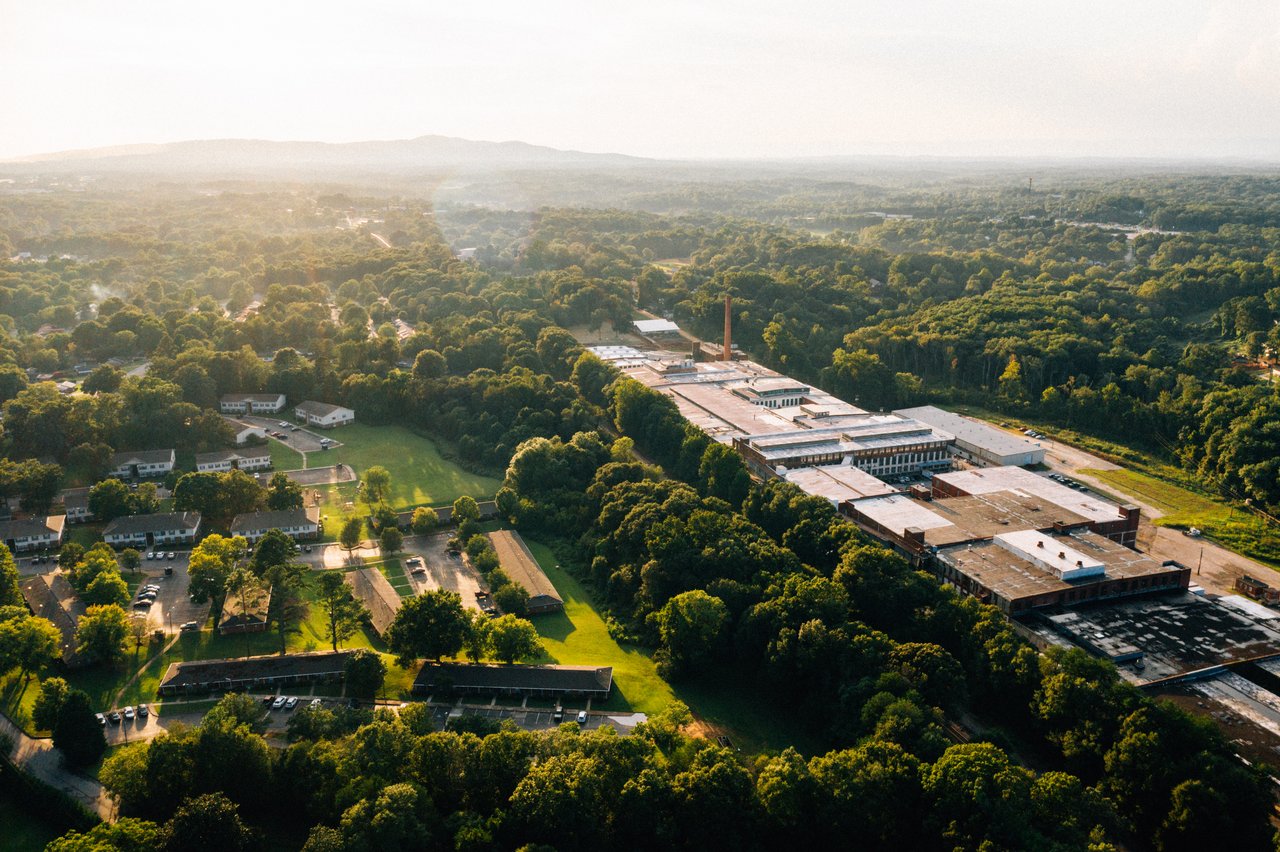
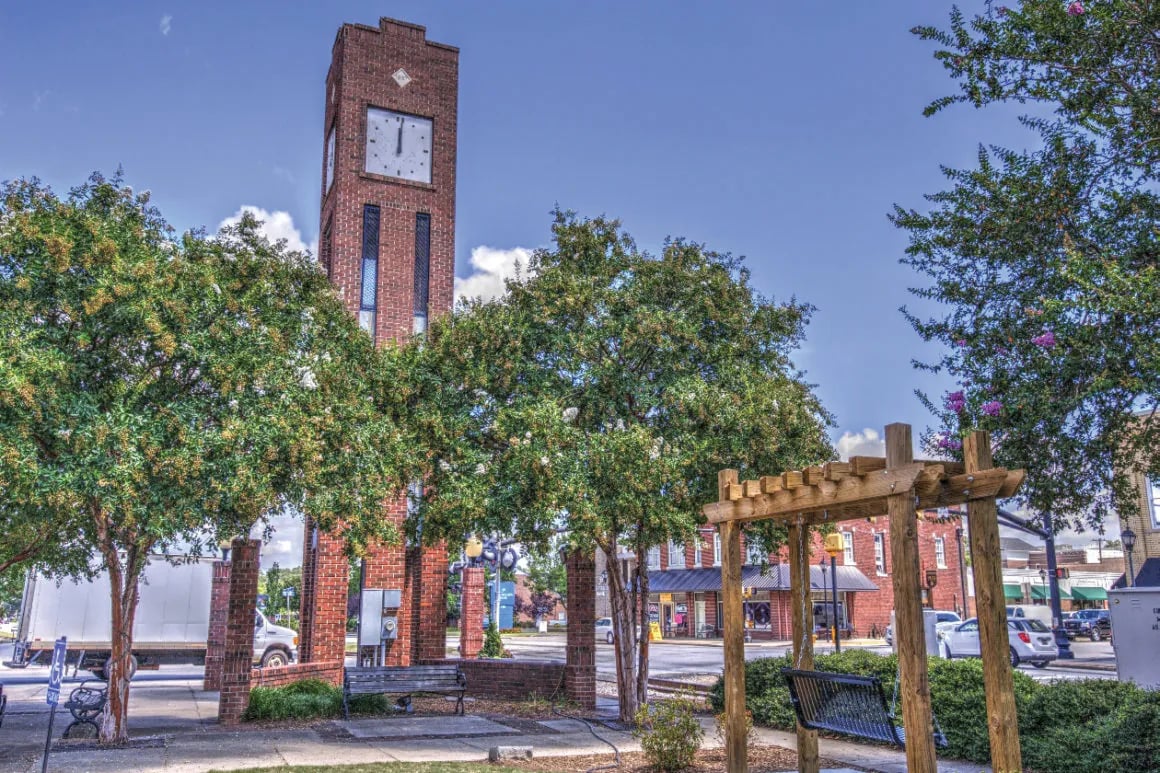
Clemson has a close relationship with the university, but it is not only a campus setting. The City of Clemson describes itself as a university town with a strong sense of community, and Clemson University places campus right across from downtown and along Lake Hartwell. That blend gives you access to activity, services, and recreation while still living in a small city of roughly 20,000 local residents.
The city is also compact, at about 14 square miles, which can make daily errands and getting around feel manageable. Clemson and the university have long coordinated on town-and-gown issues, and both city and campus transit systems add convenience. Clemson Area Transit is fare-free, and Tiger Transit provides free service on campus, including door-to-door service there.
For a long-term buyer, the key is not deciding whether Clemson feels like a college town. It does. The better question is how much of that energy you want woven into your everyday routine.
How Location Changes Daily Life
Not every part of Clemson lives the same way. City planning materials draw a clear distinction between neighborhoods closest to the university and more established residential areas farther from the most campus-adjacent mixed-use zones. That difference matters when you are buying a home you plan to enjoy for years, not just a few seasons.
Campus-Adjacent Areas
Cold Springs and Sloan-Poe are highlighted by the city because they border the commercial mixed-use district closest to the university. College Avenue is described as Clemson’s key commercial and mixed-use transit corridor. In practical terms, that usually means more convenience and more activity, along with denser housing patterns and more student-oriented turnover nearby.
If you like being close to dining, downtown, and the pulse of Clemson, these areas may appeal to you. If you want a quieter residential feel, you may want to look beyond the immediate College Avenue edge. That is not a hard rule, but it is a useful way to frame your search.
Established Residential Pockets
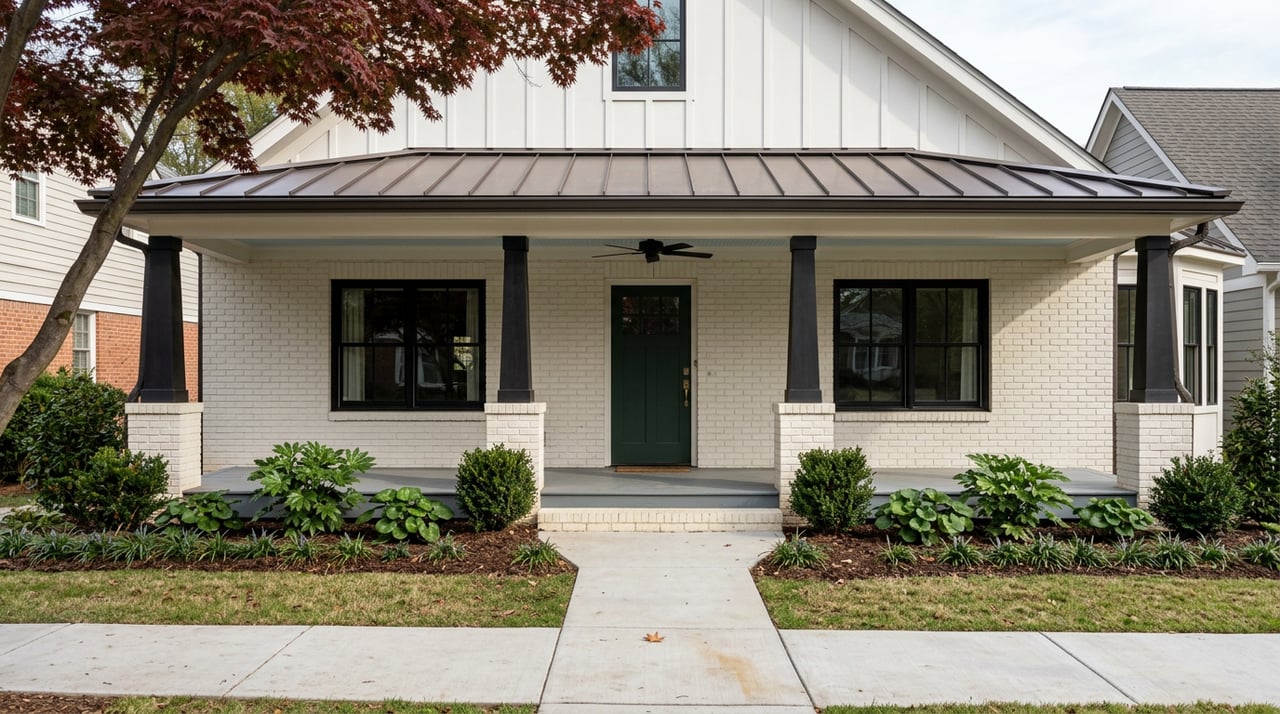
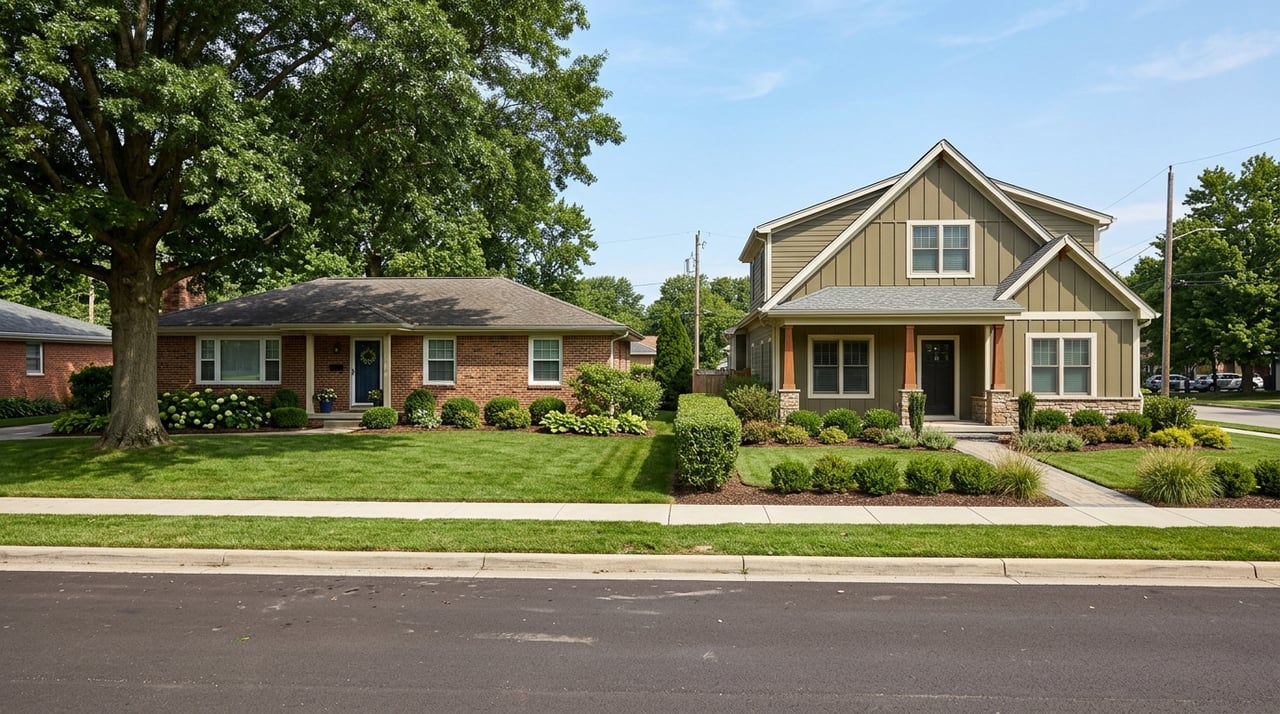
City materials also point to neighborhoods such as Monaco, Mountain View, Ashley Estates, and Calhoun Forest as important neighborhoods that are not under the same immediate encroachment pressure. For many long-term buyers, that can signal a different pace of living. You may still be close to Clemson’s amenities, but with less of the day-to-day intensity that often comes with campus-adjacent blocks.
Older in-town neighborhoods also remain part of the city’s long-term housing picture. Clemson Heights, for example, has seen recent municipal investment tied to road paving and nearly 10,000 feet of new water lines. That kind of infrastructure work suggests continued attention to established residential areas, not just newer development.
Planned Mixed-Use Living
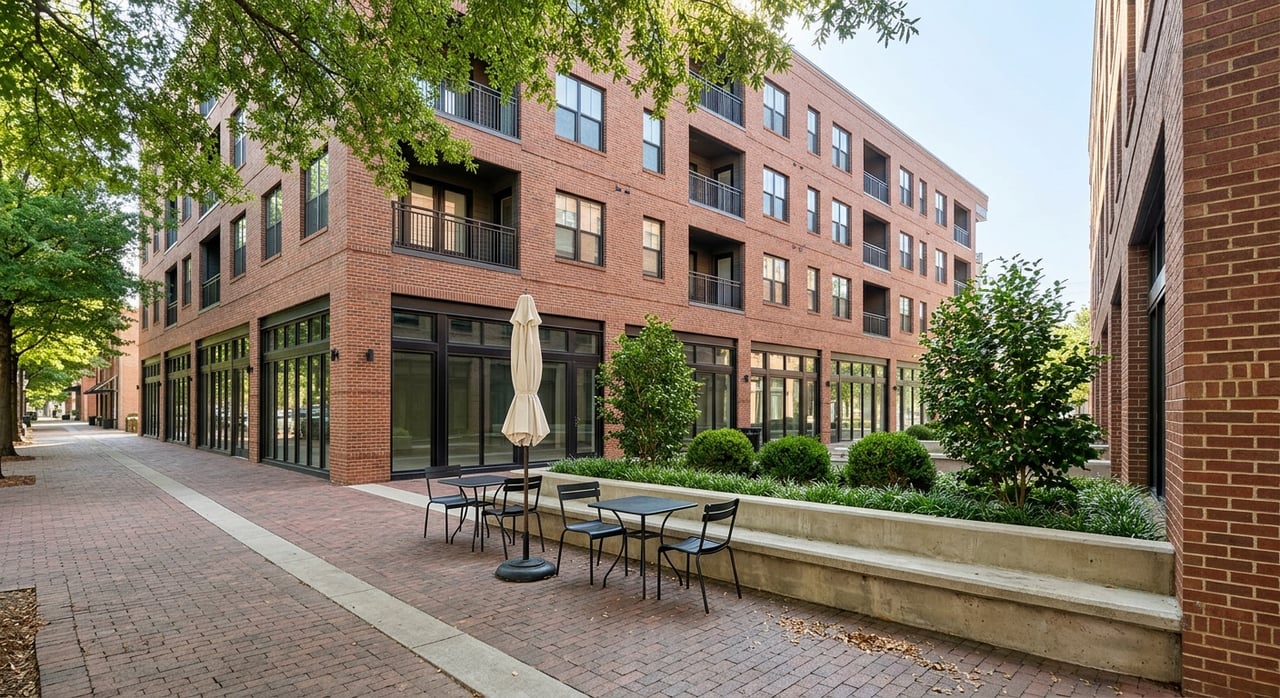
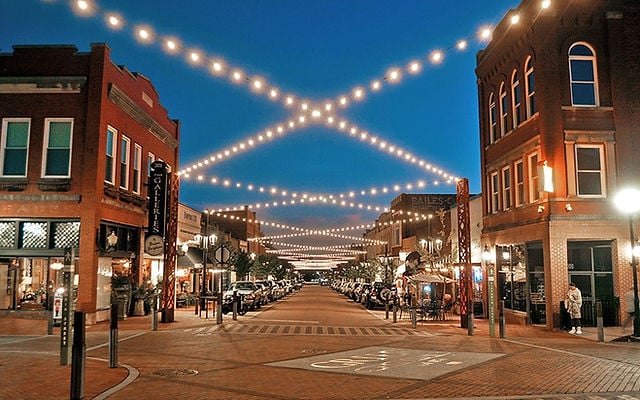
Patrick Square offers another lifestyle option. The Clemson Area Chamber describes it as a master-planned, mixed-use community with residential neighborhoods, retail, dining, office space, event venues, and gathering areas. If you want a more intentionally designed walkable setting, this can feel very different from older street-by-street neighborhoods in town.
That does not make one choice better than another. It simply means Clemson offers several ways to live long term, and your best fit depends on whether you value historic in-town character, campus convenience, or a more planned community feel.
Think Beyond the Home Itself
When you buy in Clemson, it helps to evaluate more than square footage and finishes. Long-term satisfaction often comes from how well a location supports your routine in every season. That means paying attention to the block, the traffic rhythm, nearby mixed-use activity, and the way the city manages growth.
A thoughtful home search should include questions like these:
- How close do you want to be to campus activity?
- Do you enjoy a more event-driven environment, or would you prefer a quieter residential setting?
- How often do you want to walk or drive downtown?
- Will parking patterns near your home affect your daily convenience?
- Are you drawn to an older neighborhood or a newer planned community?
These questions matter in Clemson because micro-location can shape your experience as much as the house itself.
Lakes Add Real Lifestyle Value
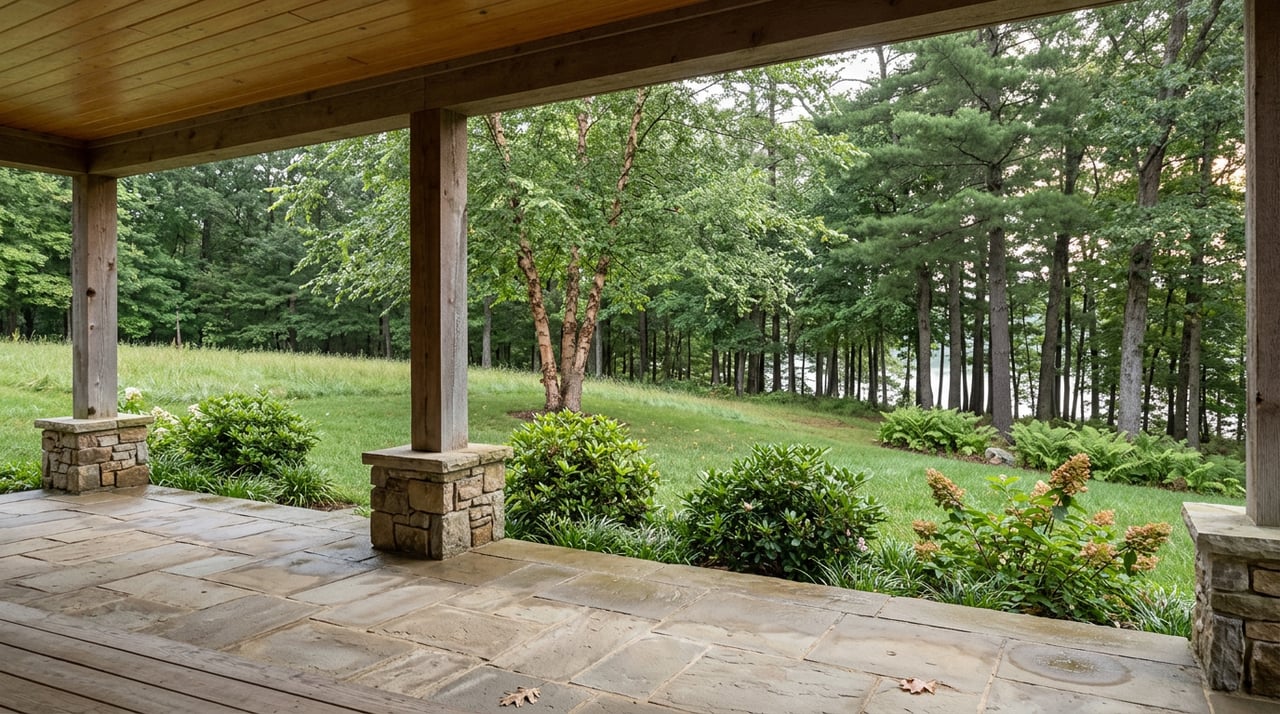
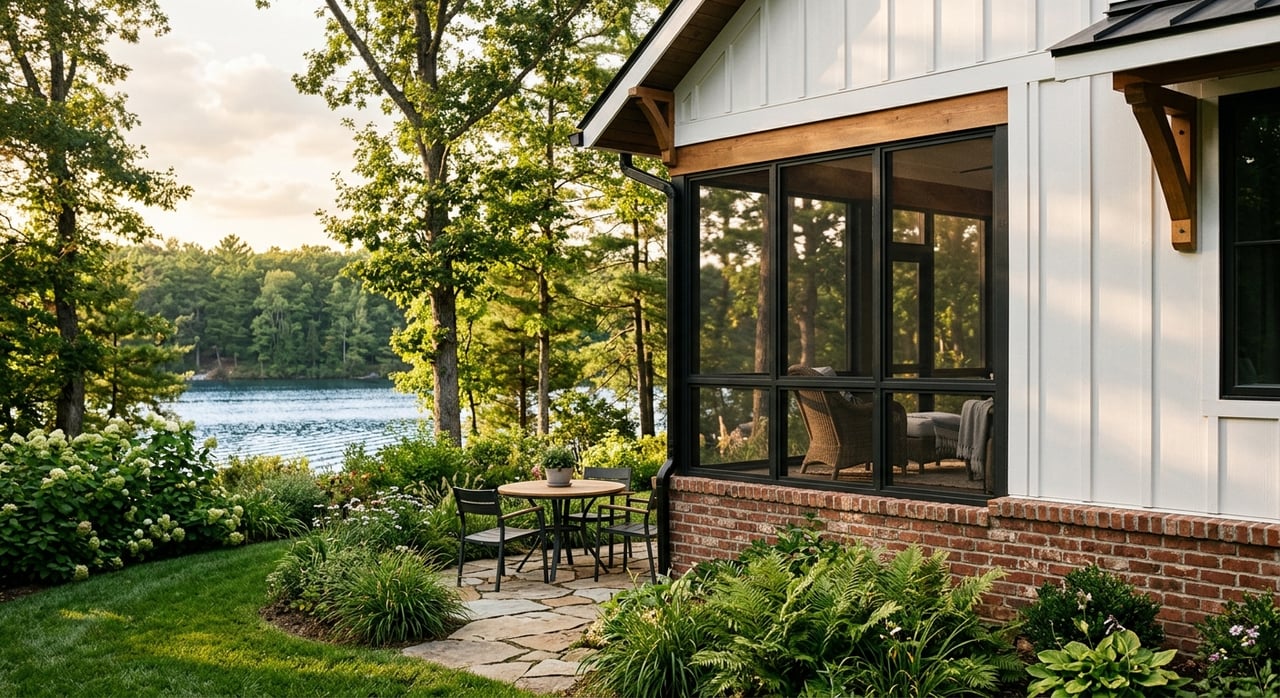
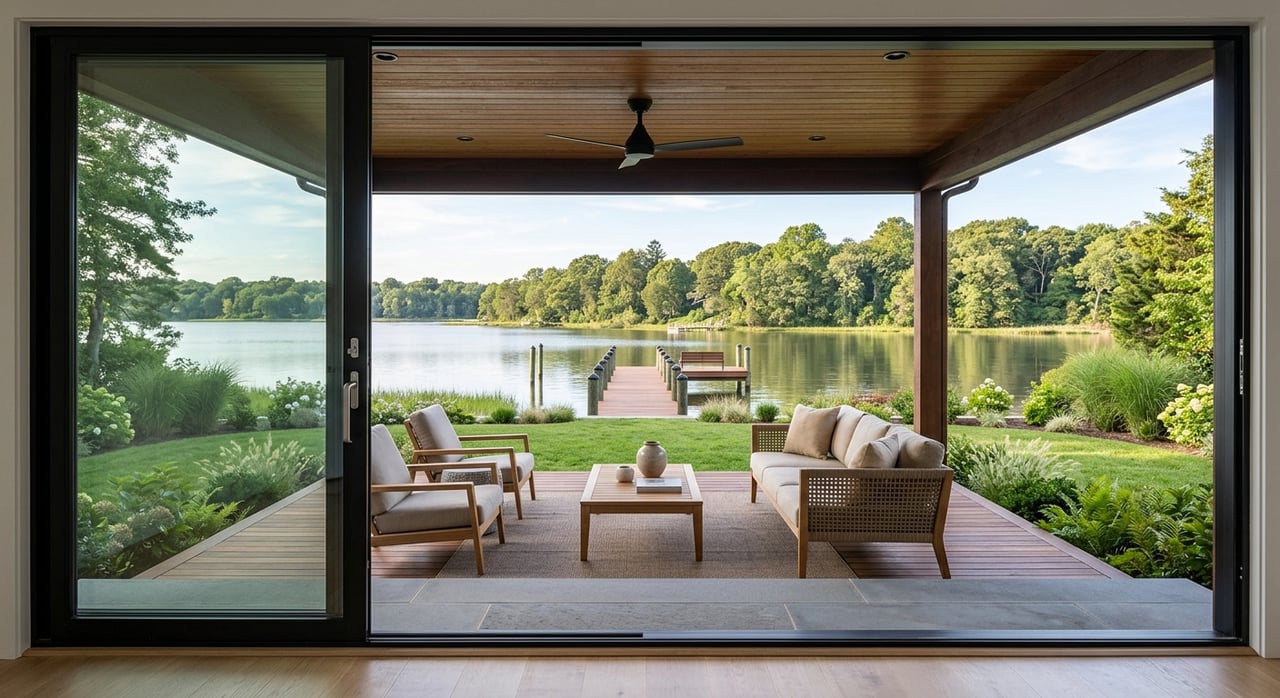
Lake access is one of Clemson’s biggest long-term lifestyle advantages. Clemson University notes that campus sits along Lake Hartwell, and the lake is central to the area’s identity. Hartwell Lake includes 55,900 acres of water and 962 miles of shoreline, with public parks, marinas, and campgrounds.
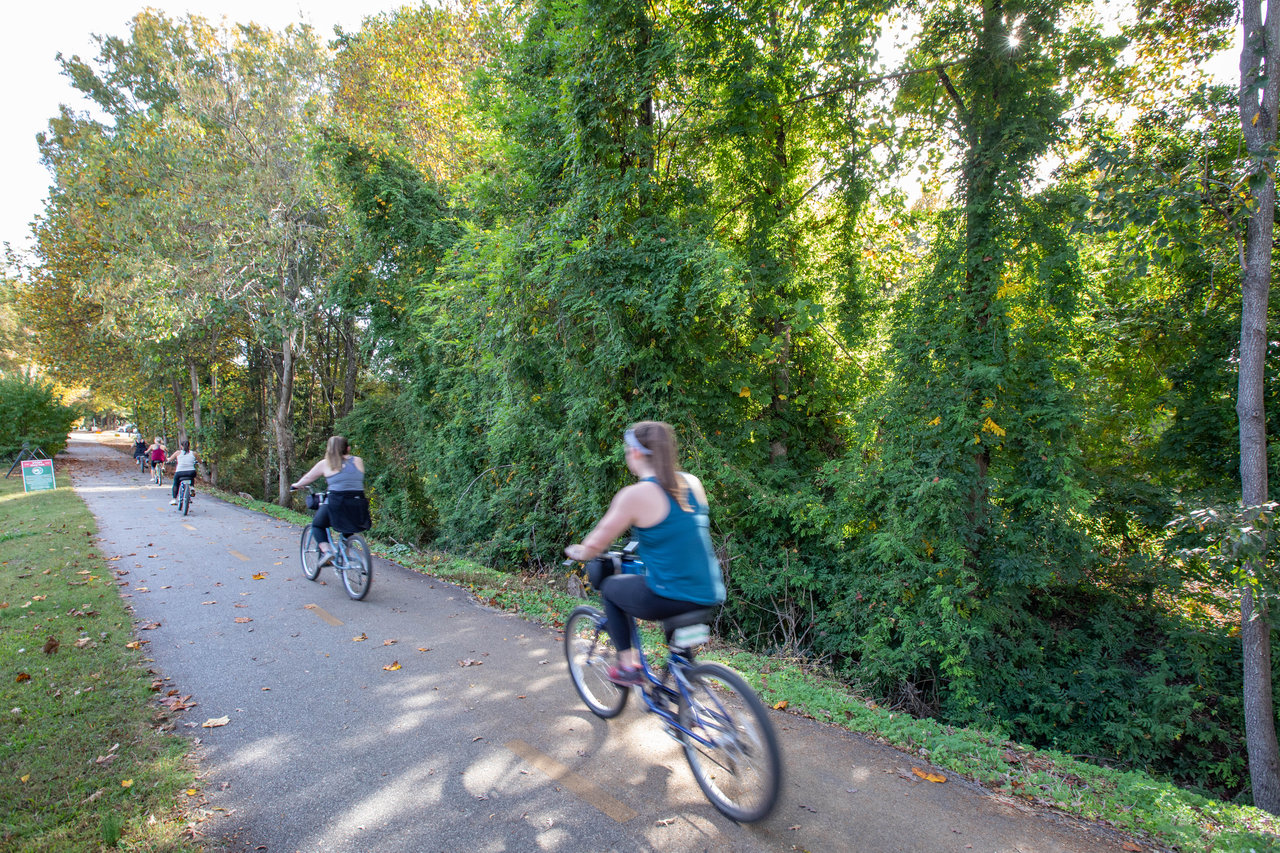
That means life in Clemson can offer much more than university access. Depending on where you buy, your weekends may include boating, paddleboarding, kayaking, fishing, or simply spending more time outdoors near the water. For many buyers, that is a major reason Clemson feels livable well beyond the college years.
Hartwell and Keowee Are Not the Same
Lake Keowee is also part of the broader regional lifestyle, but shoreline use there is tightly managed. Duke Energy says its Keowee-Toxaway Shoreline Management Plan governs shoreline construction, stabilization, and excavation within lake boundaries. It also aims to preserve scenic values and public access.
The takeaway is simple: a water-oriented purchase needs more review than a standard in-town home. If you are considering a property with a view, shoreline frontage, or possible dock access, make sure you understand what comes with that lifestyle before you make assumptions.
Questions to Ask About Lake Properties
Before you fall in love with a lake home or lake-adjacent property, think through the practical side:
- What kind of water access comes with the property?
- Are there dock rights or shoreline use limitations?
- Who is responsible for erosion control or shoreline maintenance?
- Are there approval requirements for future improvements?
- Does the property offer the kind of access you actually plan to use?
For long-term buyers, those details matter just as much as the view.
Understand Clemson’s Seasonal Rhythm
One of the biggest differences between Clemson and a more typical suburban market is seasonality. The university calendar creates predictable waves of activity, especially in late summer and early winter. In 2026, Clemson’s first fall term begins August 17, and the main fall exam period begins December 7.
If you live near downtown or closer to campus, those patterns can affect traffic, parking, and the general feel of the area. Some buyers enjoy the energy and see it as part of Clemson’s charm. Others prefer a home base with a little more separation from the busiest corridors.
This is not necessarily a downside. It is simply part of buying wisely in a place where the academic calendar plays a visible role in local life.
Parking and Downtown Management Matter
Downtown Clemson has its own set of practical considerations. The city says parking is metered downtown, including on College Avenue and nearby streets, and parking is free after 5 p.m. on weekdays when there is no home football game or special event. Vehicles left the night before a football game may be towed.
The city is also moving through its Downtown Streetscape Project, which continues to shape how downtown functions. If you want to live close to downtown, this may be a positive because it supports a more managed and organized core. Still, it is worth understanding that downtown living in Clemson can feel more event-aware than in a quieter residential area.
Local Rules Can Affect Ownership Plans
Even if you are buying a primary residence, local housing rules still matter. Clemson’s Planning and Development department manages short-term and long-term rental housing programs. The city says its short-term rental ordinance was adopted in response to concerns about traffic, noise, trash, parking, and neighborhood character.
The city’s short-term rental reference sheet says short-term rentals must be registered, inspected annually, and are limited to 25 rental days per calendar year. That is important if you have ever thought you might offset ownership costs with occasional short-term renting. In Clemson, those plans need to fit within the city’s rules.
Architectural Review May Apply
Some buyers should also look into architectural review requirements before making major plans for exterior updates. The city’s Board of Architectural Review reviews new construction in architectural districts, and the official zoning map determines where those standards apply. If preserving flexibility for future renovations matters to you, this is worth checking early.
What Long-Term Buyers Should Prioritize
If your goal is to buy near Clemson University as a long-term home, focus on fit over hype. A great purchase here is usually less about being as close to campus as possible and more about finding the right balance of access, pace, and lifestyle.
As you compare options, keep your eye on these factors:
- Distance to campus and downtown
- Level of seasonal activity nearby
- Residential feel versus mixed-use surroundings
- Access to Lake Hartwell or the broader lake lifestyle
- Parking and event-day logistics
- Zoning, rental, or architectural review considerations
When you look at Clemson through that lens, the market becomes easier to understand. You are not just choosing a house. You are choosing how connected you want to be to the university rhythm, the downtown core, and the outdoor lifestyle that makes this part of the Upstate so appealing.
Clemson can absolutely work as a long-term home base. The best match depends on whether you want daily immersion in the energy of a university town, a more established residential setting, or a lifestyle shaped by walkability and lake access. If you want thoughtful guidance as you compare those options, Nest Realty - Greenville is here to help you navigate Clemson with clarity and confidence.
FAQs
What makes Clemson, South Carolina appealing for a long-term home?
- Clemson offers a small-city setting with a strong connection to Clemson University, a compact footprint, access to fare-free transit, and close proximity to Lake Hartwell and regional outdoor recreation.
What should buyers know about living near Clemson University full time?
- Living closer to campus often brings more convenience, mixed-use activity, denser housing patterns, and more seasonal turnover, while areas farther from the immediate campus edge may feel more residential.
What Clemson neighborhoods may feel more residential for long-term buyers?
- City materials identify neighborhoods such as Monaco, Mountain View, Ashley Estates, and Calhoun Forest as important areas that are not under the same immediate encroachment pressure as some campus-adjacent locations.
What should buyers know about lake properties near Clemson?
- Buyers should look closely at water access, shoreline rules, dock rights, erosion control responsibilities, and approval requirements for improvements, especially when comparing Lake Hartwell and Lake Keowee properties.
What are Clemson short-term rental rules for homeowners?
- The city says short-term rentals must be registered, inspected annually, and are limited to 25 rental days per calendar year.
What parking issues should buyers consider near downtown Clemson?
- Downtown parking is metered on College Avenue and nearby streets, free after 5 p.m. on weekdays when there is no home football game or special event, and vehicles left the night before a football game may be towed.