If you want Upstate convenience without paying Greenville city prices, Mauldin deserves a close look. For many buyers, the challenge is finding a place that keeps your commute manageable, gives you solid housing choices, and still feels connected to the bigger Greenville area. This guide will help you understand what living in Mauldin can look like, how its housing mix compares to nearby options, and what to watch for as you narrow your search. Let’s dive in.
Why Mauldin stands out
Mauldin is built for buyers who want practical access to the rest of the Upstate. The city’s own materials highlight its location near I-85 and I-385 and its quick connection to downtown Greenville, which is a big reason it continues to attract attention from commuter-minded buyers.
It is also a growing city. Mauldin covers about 12.1 square miles and has an estimated population of 29,746, which is up 20.2% from the 2020 base estimate. That kind of growth often signals rising demand, more development activity, and a market that is evolving rather than standing still.
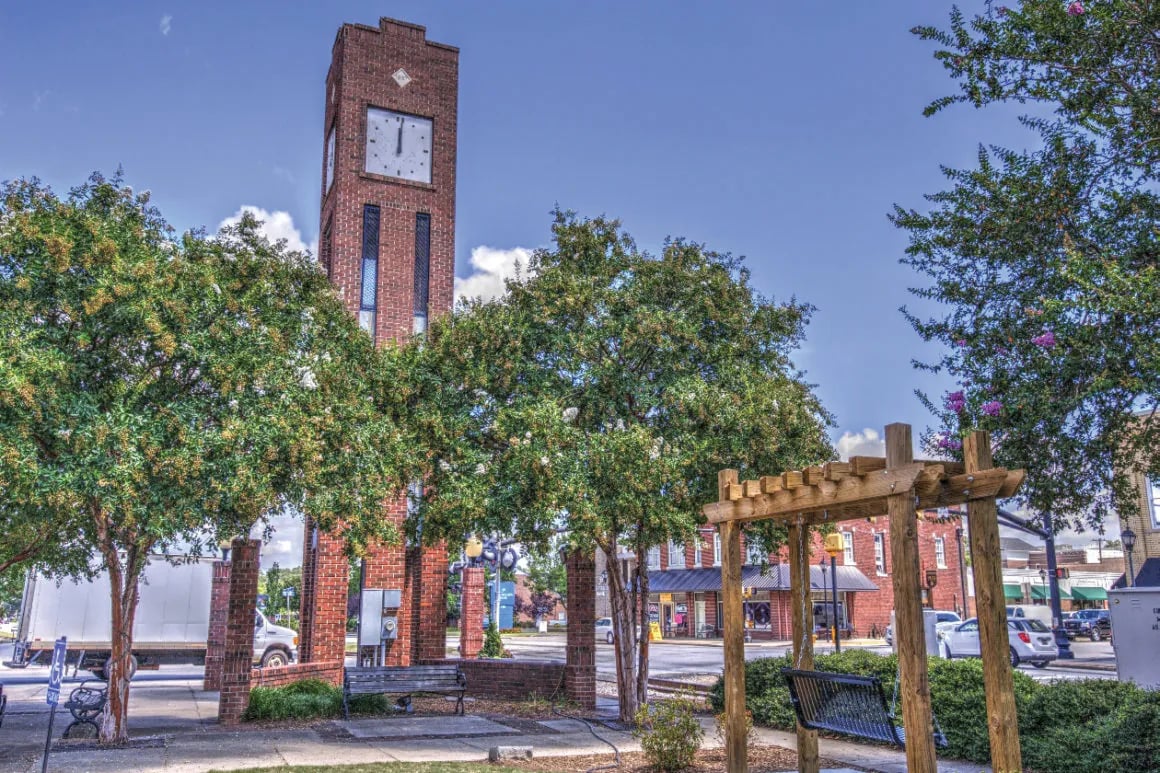
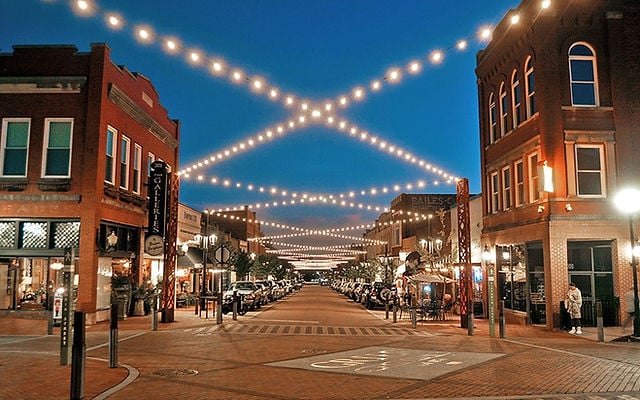
Convenience here is not only about getting on the highway. Mauldin’s planning efforts also focus on transportation upgrades, trail connections, and a more walkable city center, which suggests the city is thinking carefully about how future growth should function day to day.
What daily life can feel like
For many buyers, Mauldin offers a middle ground. You can be near Greenville without living in the city itself, and you can often find a more suburban feel without pushing too far out. The city’s mean travel time to work is 21.1 minutes, which supports its reputation as a practical choice for routine commuters.
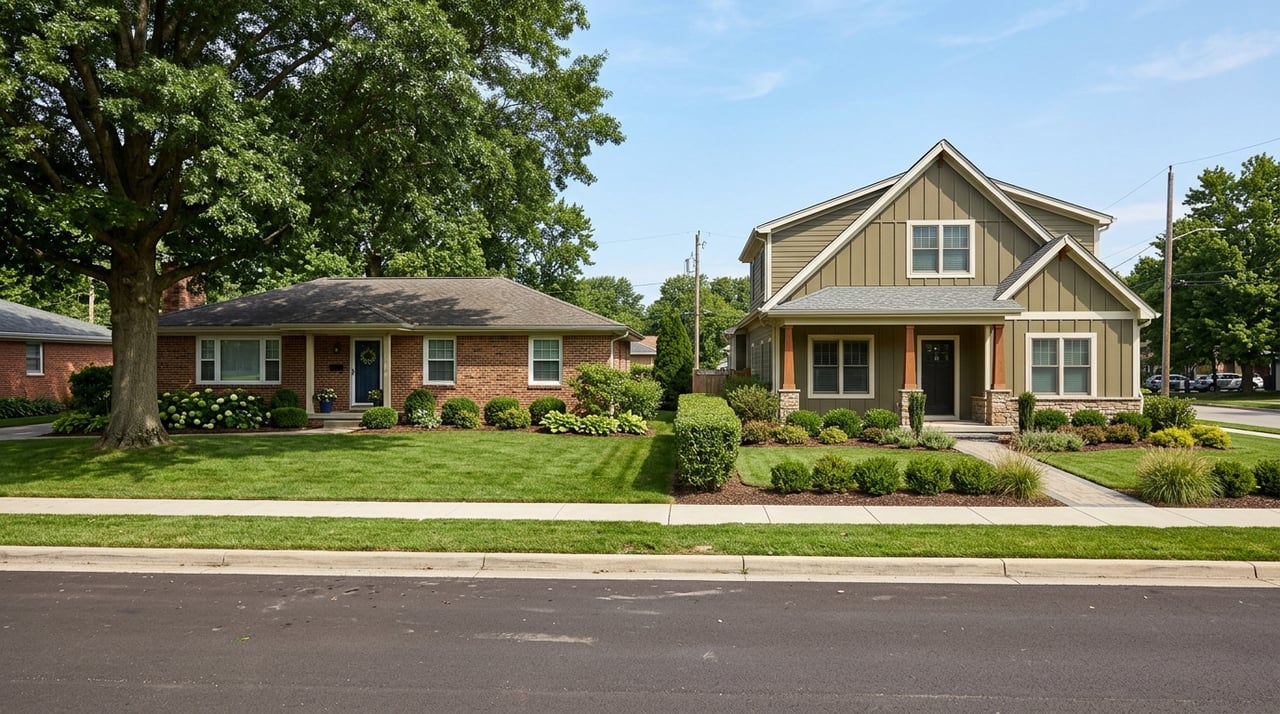
That does not mean every part of Mauldin feels the same. Some areas are tied more closely to established streets and older homes, while others are shaped by newer development and mixed-use projects. As a buyer, that variation can work in your favor because it gives you more than one version of convenience.
Housing options in Mauldin
Older areas and established streets
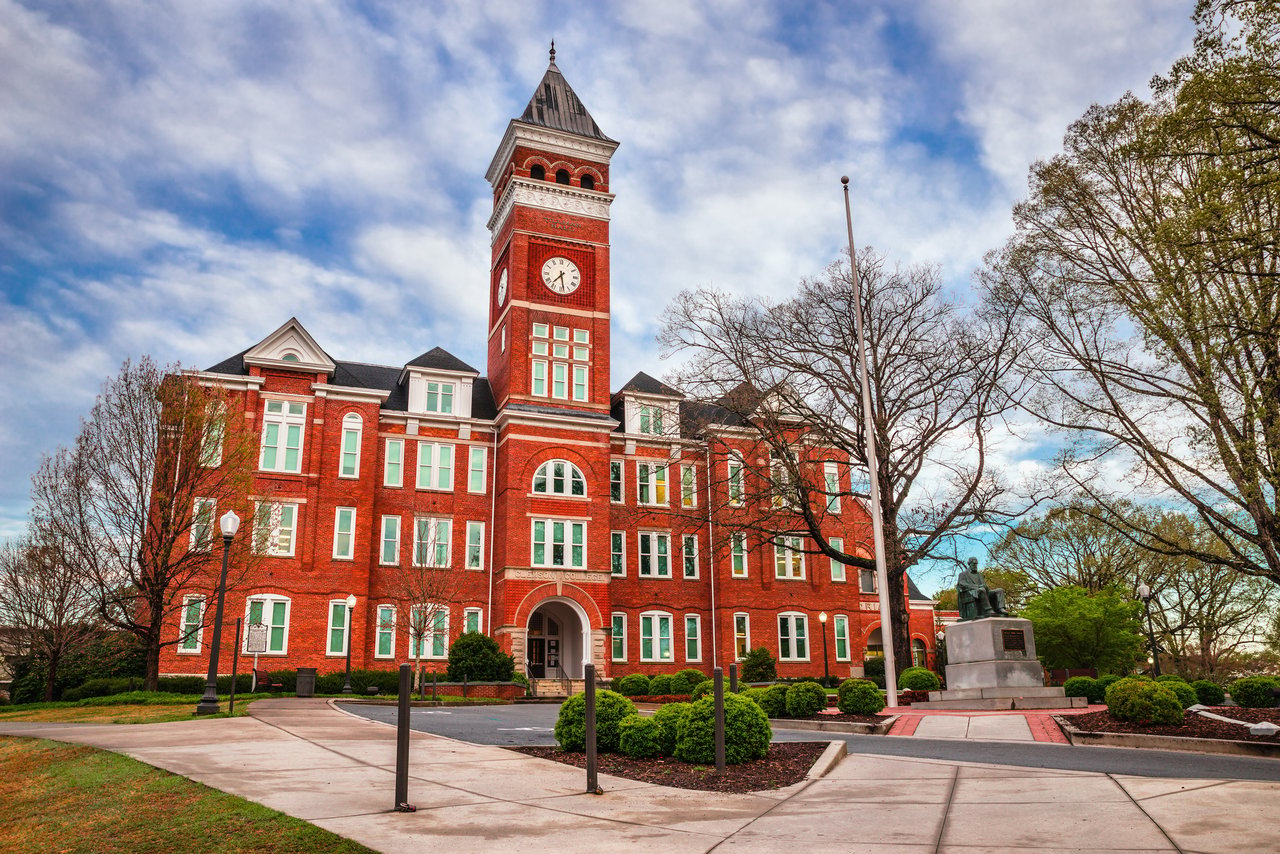
Mauldin’s history helps explain why its housing stock feels varied. The city began as Butler’s Corners, later Butler’s Crossroads, around the Laurens Road and Reedy River Road junction, and it continued to grow as transportation routes changed over time.
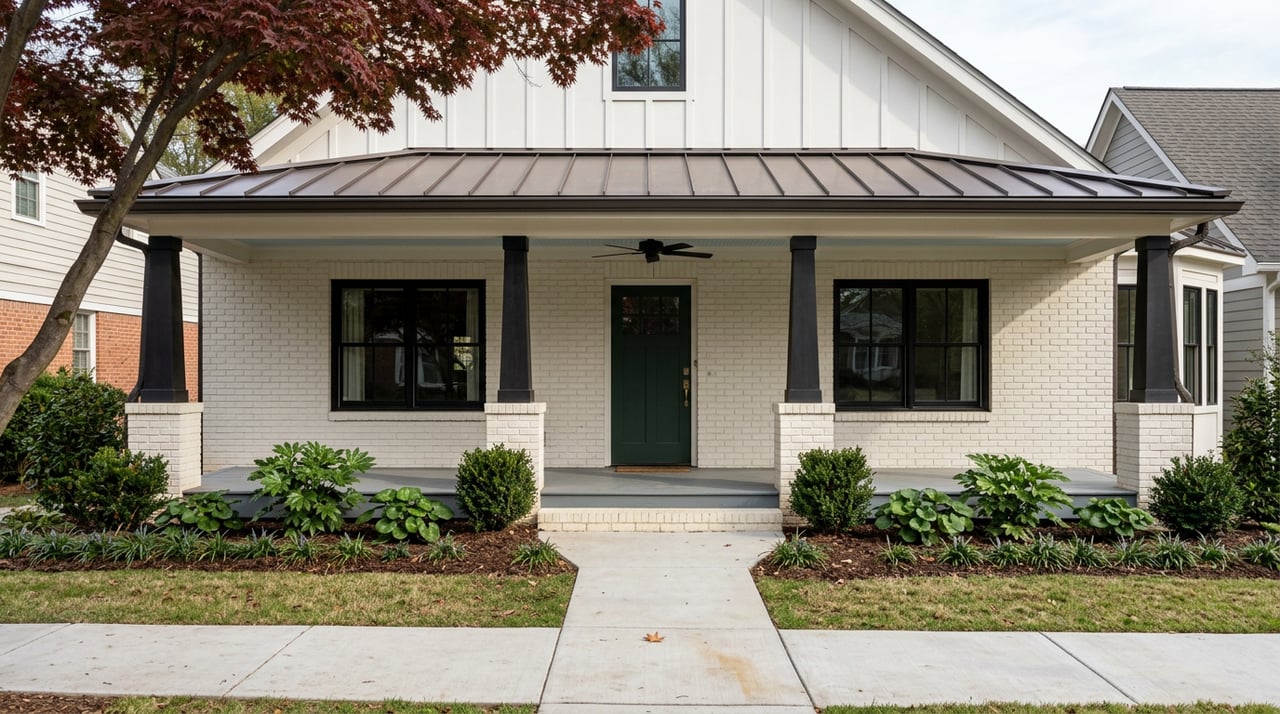
That history shows up in the housing. In some parts of Mauldin, you are more likely to find older single-family homes and streets that feel established. These areas may appeal to buyers who want mature surroundings, a less uniform look, or a home with a longer neighborhood history.
Later suburban neighborhoods
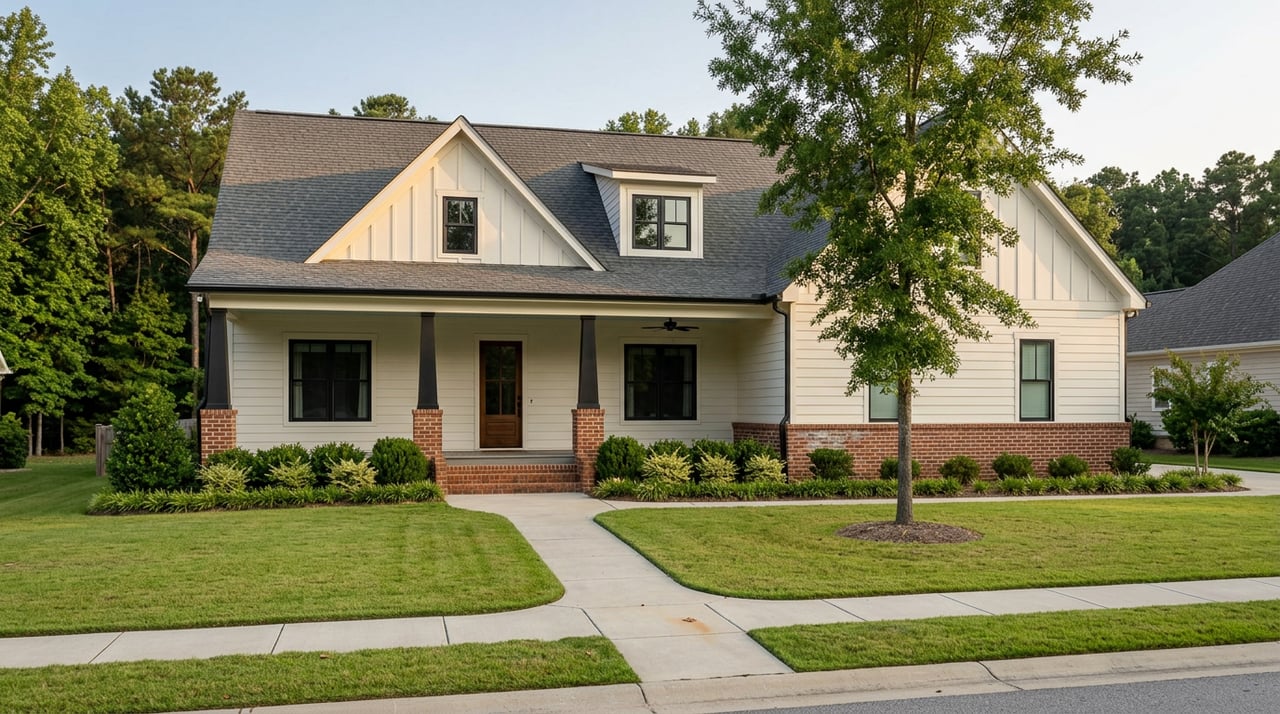
Other parts of Mauldin reflect later suburban growth. These neighborhoods often align more closely with what many buyers picture when they think about suburban Upstate living: planned streets, more consistent home styles, and easy access to major roads and everyday errands.
If your priority is a familiar suburban layout with a straightforward commute, these neighborhoods may feel like a strong fit. They can also offer a helpful balance between space, convenience, and location.
New townhomes and mixed-use living
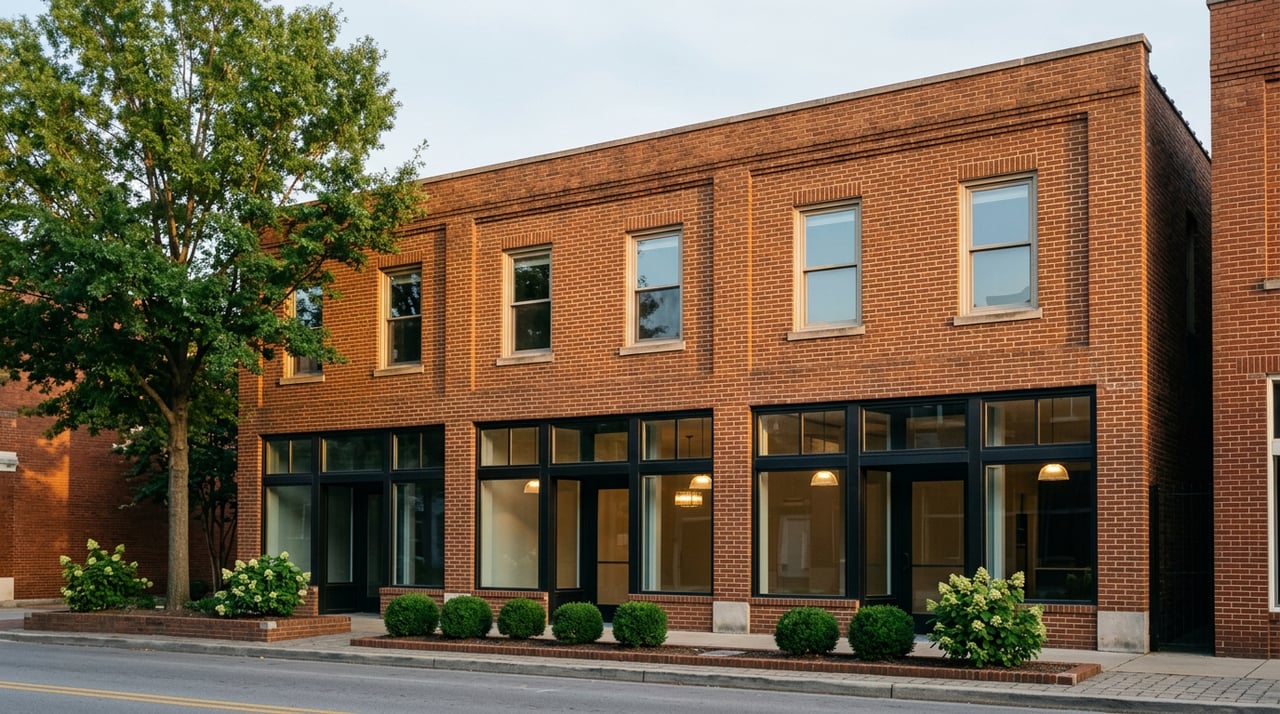
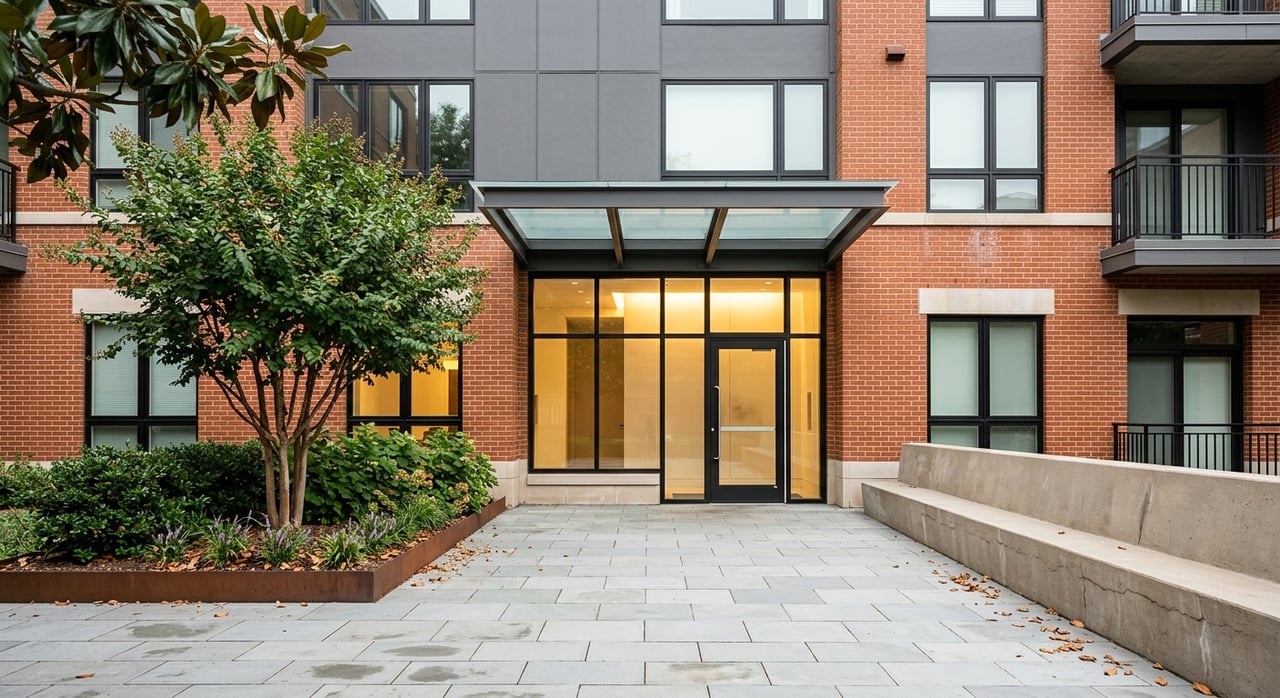
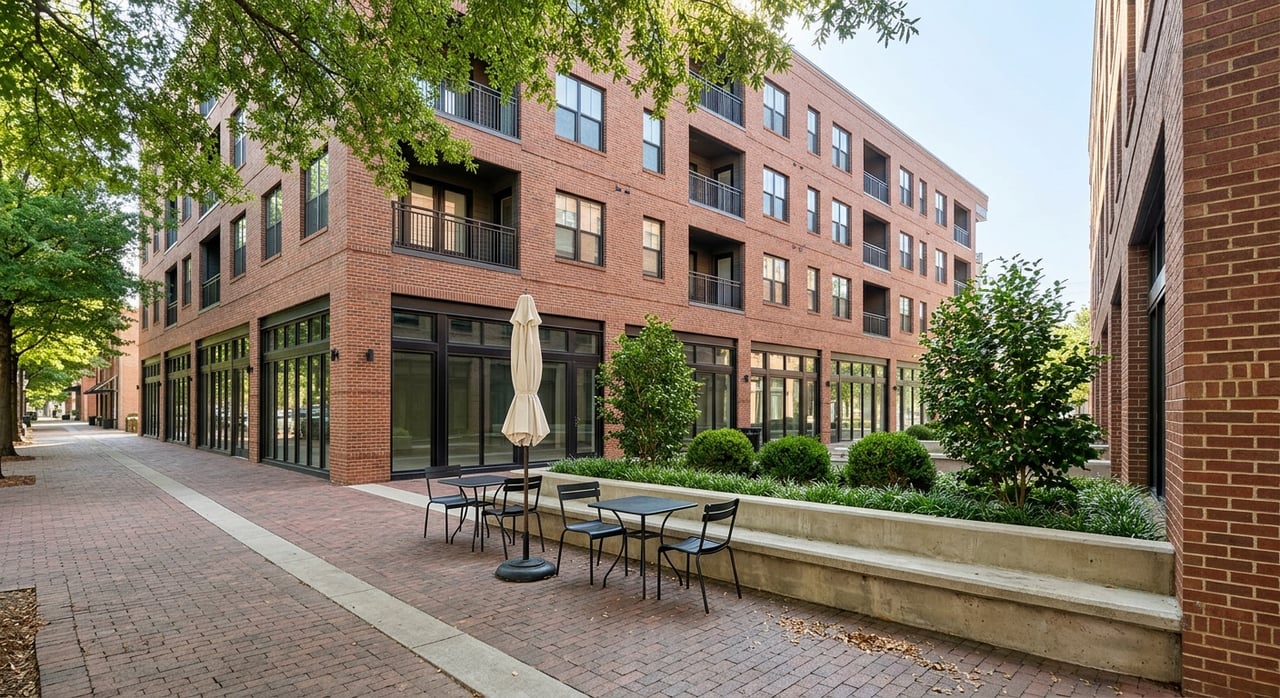
Mauldin also has newer residential options that bring a different feel. BridgeWay Station is described by the city as a 40-acre urban village along I-385 with residential spaces, offices, shopping, dining, lodging, and entertainment. Maverick Yards includes more than 40 townhomes, and the city notes that Layton Hall added a trail segment connected to townhome development.
For buyers who want lower-maintenance living or a newer home in a more connected setting, these projects may be especially appealing. They also show how Mauldin is expanding beyond a single housing style and creating options for different stages of life.
HOA living versus older neighborhoods
One of the most useful ways to think about Mauldin is not as an HOA market or a non-HOA market, but as a place with both. Because much of the newer development is tied to master-planned and mixed-use projects, it is reasonable to expect that some newer communities are more likely to include HOA-style rules, shared amenities, and more uniform exterior standards.
That can be a plus if you want a more managed neighborhood environment. It can also be a tradeoff if you prefer fewer restrictions or more freedom in how you use and maintain your property.
Older streets often bring the opposite experience. You may find more individuality from home to home and fewer signs of a master-planned layout. At the same time, established areas can require more careful due diligence because older infrastructure may still be part of the picture.
The city is currently working on sewer rehabilitation tied to clay sewer pipes that were installed more than 60 years ago. Mauldin is also investing in resurfacing, sidewalks, and intersection improvements. For you as a buyer, that means an older home may offer character and location benefits, but it is wise to look closely at maintenance history, systems, and surrounding infrastructure.
How Mauldin compares to Greenville
If you are choosing between Mauldin and Greenville city, price and housing style are often bigger factors than commute time alone. Greenville has a mean travel time to work of 19.0 minutes, while Mauldin comes in at 21.1 minutes. That difference is small enough that many buyers will care more about lifestyle and budget.
Where the difference becomes more noticeable is home values and market structure. Mauldin’s median value of owner-occupied housing units is $258,500, while Greenville city’s is $487,500. Mauldin also has a much higher owner-occupied housing unit rate at 68.0%, compared with 41.1% in Greenville.
In practical terms, Mauldin tends to read as the more suburban, value-oriented option. Greenville city is the more urban and higher-cost market, with a larger renter share and smaller average household size. If you want city energy and a more urban housing mix, Greenville may be worth the premium. If you want easier suburban value with strong regional access, Mauldin may make more sense.
How Mauldin compares to Simpsonville
Mauldin and Simpsonville are often compared for good reason. Both fit the broader suburban pattern, and both appeal to buyers who want owner-occupied neighborhoods and access to the Greenville area.
The ownership rates are very similar. Mauldin’s owner-occupied housing unit rate is 68.0%, while Simpsonville’s is 68.5%. The bigger distinction in the available data is value, with Simpsonville’s median owner-occupied home value at $299,300 compared with $258,500 in Mauldin.
Commute times are also close. Mauldin’s mean travel time to work is 21.1 minutes, and Simpsonville’s is 22.4 minutes. That means the choice often comes down to the kind of housing feel you want, the areas you need to access most often, and how your budget lines up with current inventory.
What smart buyers should watch for
Match your home type to your routine
If your week revolves around commuting, errands, and easy access to major roads, start by focusing on location within Mauldin, not just the city name on the listing. A townhome near newer mixed-use development may support a very different routine than an older single-family home closer to established streets.
Think about how you actually live. Do you want low-maintenance convenience, a more traditional yard, or a neighborhood with a longer-established feel? In Mauldin, those choices can exist within a short drive of each other.
Look beyond the listing photos
A polished listing can tell you a lot, but it cannot tell you everything. In established parts of Mauldin, pay attention to age-related factors like sewer lines, resurfacing activity, sidewalks, and the general upkeep of surrounding infrastructure.
That does not mean older areas should worry you. It simply means they deserve careful review, just like newer communities deserve close attention to HOA rules, fees, and development plans.
Compare value, not just price
A lower price point does not automatically mean a better fit, and a higher one does not automatically mean better value. What matters is what you get for the money in terms of location, home style, maintenance needs, and day-to-day convenience.
Mauldin’s position in the market is compelling because it can offer a more accessible path into the Greenville area than Greenville city, while still giving you meaningful variety in housing type. That is a big reason many buyers keep it on their shortlist.
Why Mauldin works for many Upstate buyers
Mauldin’s strongest advantage is balance. It offers direct highway access, proximity to Greenville, a growing mix of housing options, and pricing that looks more approachable than Greenville city based on median owner-occupied home values.
It also avoids feeling one-note. Some buyers will be drawn to newer townhomes and mixed-use development near I-385 and the City Center corridor. Others will prefer older streets or later suburban neighborhoods that feel more established and independent.
If you want convenient Upstate living with options, Mauldin gives you a lot to compare in a relatively compact area. And when you know what tradeoffs matter most to you, it becomes much easier to spot the right fit.
Whether you are relocating, buying your first home in the Upstate, or comparing Mauldin with Simpsonville and Greenville, having local guidance can make the process much clearer. Connect with Nest Realty - Greenville for thoughtful, client-first help as you explore your next move.
FAQs
Is Mauldin a good choice for commuting in the Greenville area?
- Yes. Mauldin is near I-85 and I-385, is minutes from downtown Greenville according to city materials, and has a mean travel time to work of 21.1 minutes.
Are there new-construction or townhome options in Mauldin?
- Yes. City information points to newer residential activity at places like BridgeWay Station, Maverick Yards, and other city-center-oriented projects that include townhome and mixed-use residential options.
Is Mauldin more affordable than Greenville city for homebuyers?
- Based on Census quick facts, Mauldin’s median value of owner-occupied housing units is $258,500 compared with $487,500 in Greenville city.
How does Mauldin compare with Simpsonville for buyers?
- Mauldin and Simpsonville have similar owner-occupied housing rates, but Simpsonville’s median owner-occupied home value is higher at $299,300 versus $258,500 in Mauldin.
Should buyers be careful with older homes in Mauldin?
- Yes. Established areas can require extra due diligence because the city is actively addressing aging infrastructure, including sewer rehabilitation tied to pipes installed more than 60 years ago.