Moving for work can make your housing search feel like a race against the clock. If you are relocating to Greer for a job at BMW, GSP, or elsewhere in the Upstate, you are probably trying to balance commute time, budget, and lifestyle all at once. The good news is that Greer gives you real options, but the right fit depends on more than just the listing price. This guide will help you understand how Greer housing works so you can make a smarter move with more confidence. Let’s dive in.
Why Greer Works for Relocation
Greer is more than a convenient point on the map. It sits inside a major logistics and manufacturing corridor, which gives it strong access to important routes like I-85, US 29, SC 290, SC 101, SC 14, and SC 80.
That matters if you are moving for work. A home that looks perfect on paper may feel very different once you test the drive to BMW Manufacturing on Highway 101 South or Greenville-Spartanburg International Airport at 2000 GSP Drive.
The city is also changing in visible ways. Greer’s planning resources point to new neighborhoods, commercial corridors, and mixed-use development, which means buyers have a growing range of housing styles and locations to consider.
Start With the Commute
If you are relocating to Greer, your commute should shape your home search from day one. In this market, route access can matter just as much as the home itself.
For BMW employees, quick access to Highway 101 and I-85 will usually be a top priority. For GSP employees, it makes sense to focus on the airport side of town and nearby highway connections.
If your job is closer to Greenville’s east side or Woodruff Road, traffic may become a bigger factor. According to SCDOT, the busiest section of the Woodruff Road corridor carries more than 40,000 vehicles per day, with pressure during morning, midday, and afternoon travel windows.
Greer also sits near Inland Port Greer, which expanded cargo capacity by 50 percent in 2025. Combined with strong cargo growth over the last decade, that helps explain why some parts of the area feel especially tied to freight and industrial traffic.
Understand Greer’s Housing Patterns
One of the most helpful ways to think about Greer is as a set of commute-oriented submarkets. You are not choosing one single version of Greer. You are choosing the part of Greer that best fits your daily routine and preferred home style.
City planning materials show that Greer supports a broad mix of housing types. That includes single-family detached homes, attached homes, two-family and small multi-unit options, live-work units, and multifamily residential.
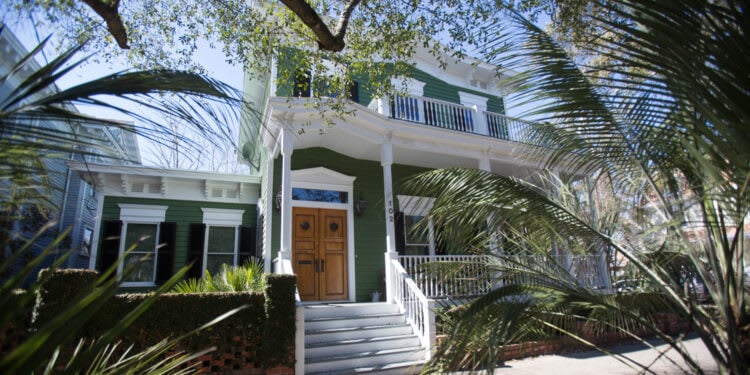
For a relocation buyer, that means you can compare several lifestyles in one market. You may want a downtown setup with less maintenance, a traditional subdivision, or a larger home in an established neighborhood.
Downtown Greer for Walkable Living
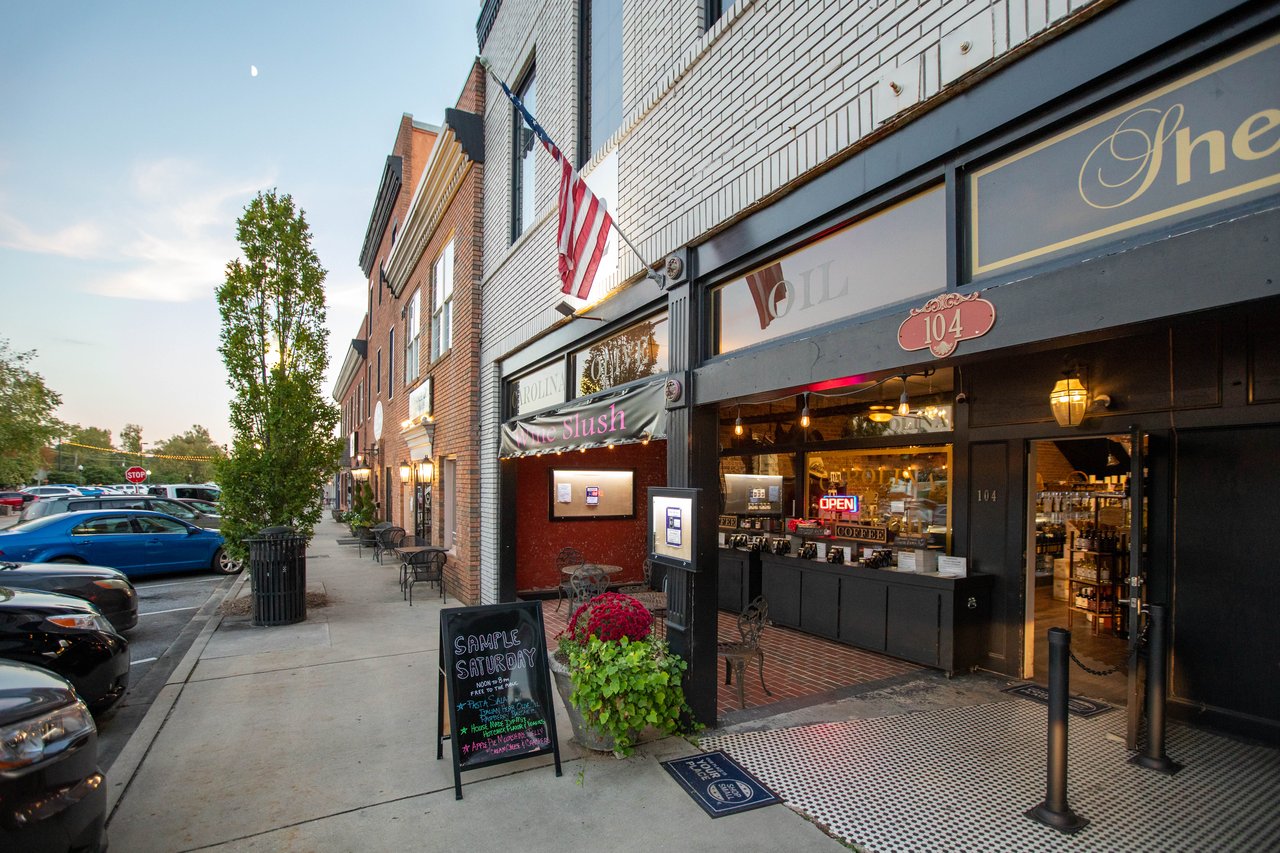
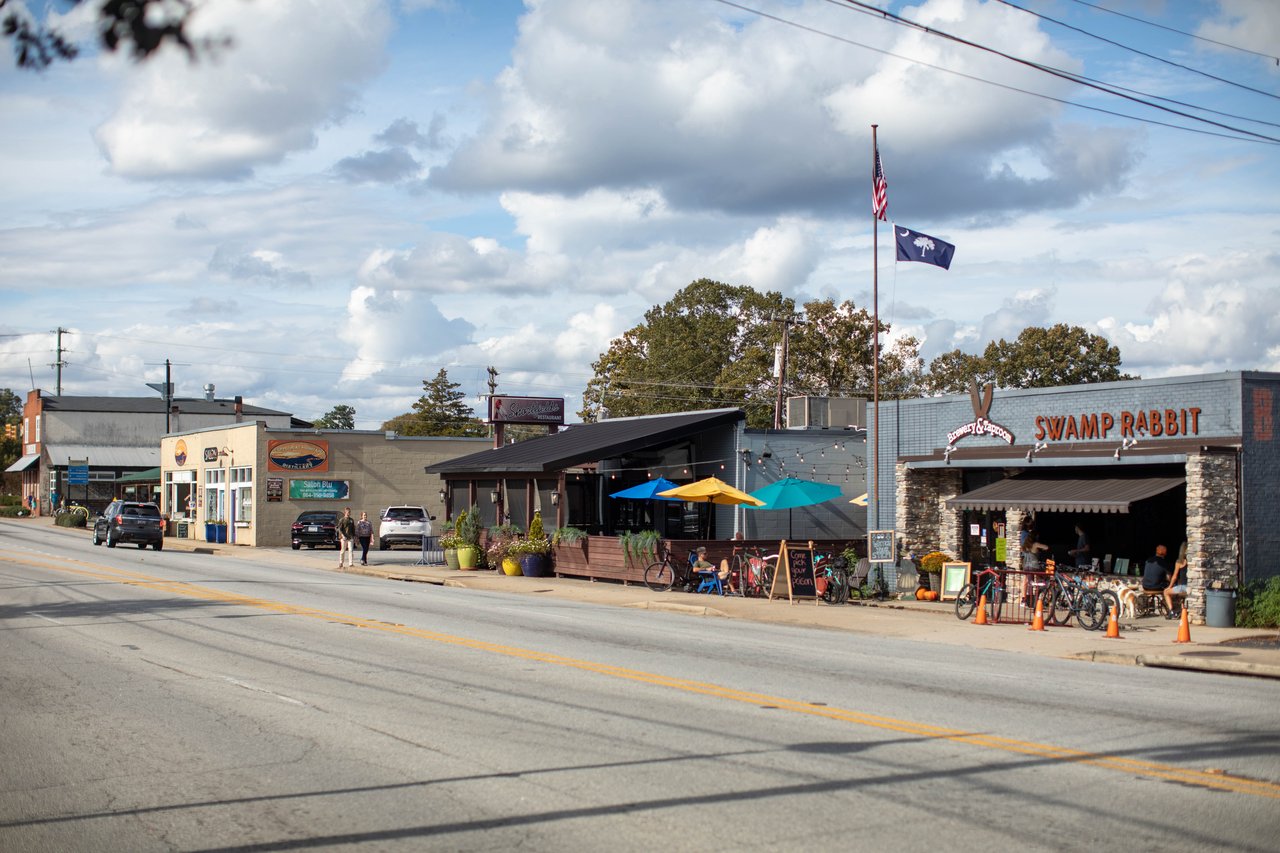
Downtown Greer, also known as Greer Station, offers a different experience from the suburban side of town. The city describes it as a historic central business district made up of roughly 12 square blocks of retail, dining, entertainment, and professional services.
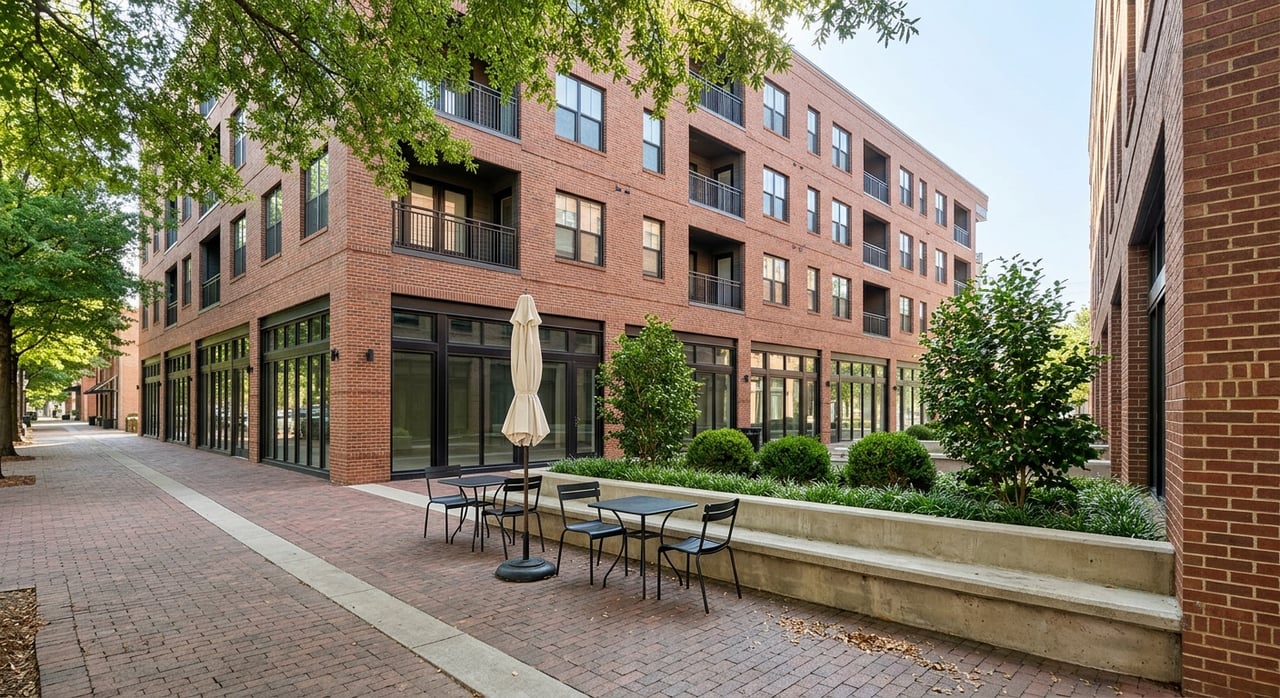
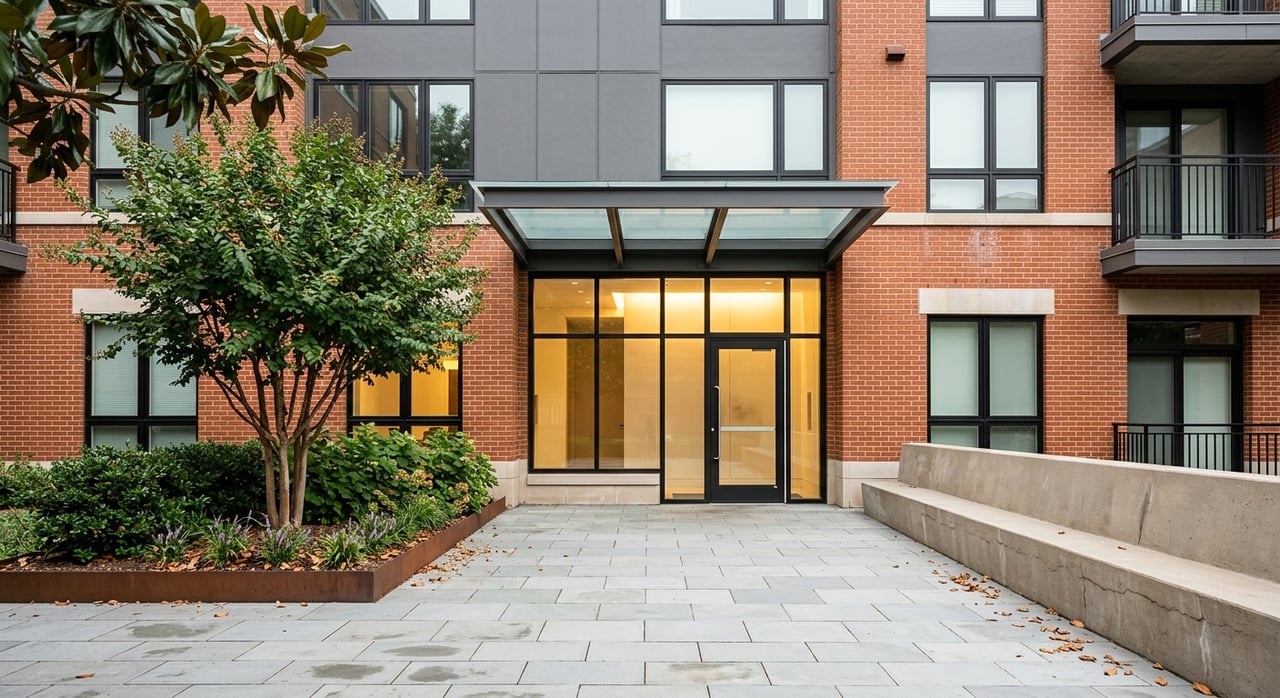
If you want a more walkable routine, this area deserves a close look. Greer’s downtown zoning framework supports live-work units and multifamily residential in the downtown living area, which can appeal to buyers who prefer a lower-maintenance lifestyle.
Downtown parking includes on-street spaces, public lots, and a garage, which makes the area easier to explore during a scouting trip. The city also offers a free shuttle on published Tuesday through Saturday and Sunday hours, which can help you experience the downtown core without dealing with extra parking stress.
29651 for Established Suburban Options
If you picture Greer as a more traditional suburban move, 29651 may be where your search starts. This ZIP code is somewhat competitive, with a recent median sale price around $355,000 and about 57 days on market.
This part of Greer tends to line up well with buyers who want established neighborhoods, neighborhood amenities, and access to major roads. Recent local listing examples in this area highlight features such as a community pool, clubhouse, walking trails, and proximity to I-85.
That does not mean every home in 29651 feels the same. It does mean this area often fits buyers who want a familiar neighborhood structure with room to compare features, commute routes, and price points.
29650 for Broader Price Range
The 29650 ZIP code tends to run higher in price than 29651. Recent three-month market snapshots place the median sale price around $408,000, with about 56 days on market.
What makes 29650 especially useful for relocation buyers is its range. It can include mid-range suburban homes as well as more premium, amenity-rich neighborhoods with much higher sale prices.
Within this ZIP code, recent neighborhood-level figures show a wide spread. Sugar Creek posted a median sale price of $645,000, while River Oaks reached $690,000 last month, which shows that 29650 is not one uniform price band.
What the Market Looks Like Overall
Greer’s market is somewhat competitive overall. The citywide median sale price is about $330,000, and homes are spending roughly 60 days on market.
For relocating buyers, that creates a useful middle ground. You may not face the kind of instant pace seen in the hottest markets, but well-positioned homes can still attract attention quickly.
This is why preparation matters. If you know your route priorities, budget range, and preferred home style before you tour, you can act faster when the right property appears.
Plan a Smarter Scouting Trip
A productive relocation trip should focus on more than back-to-back showings. In Greer, the best scouting days are built around drive times, neighborhood feel, and development context.
Start with a rush-hour test drive to your job site. That one step can quickly tell you whether a home’s location works in real life, not just on a map.
Then group your tours by area:
- Downtown Greer or Greer Station for walkability and mixed-use living
- 29651 for established suburban neighborhoods
- 29650 for a broader price range, including more premium enclaves
Before you tour, it also helps to review city tools like the GIS map and housing dashboard. The city says these resources track addresses, streets, subdivisions, zoning, annexations, city limits, and upcoming projects, which can give you a better sense of what is happening around a property.
Ask About Planning and Overlay Context
Not every relocation buyer thinks to ask about planning details, but in a fast-changing area, they matter. Greer is actively managing growth through housing dashboards, permit review, and planning systems.
If you are looking near the airport side of town, ask early about the airport-related overlay tied to Greenville-Spartanburg Airport environs rules. That does not automatically make a property a bad fit, but it does mean you should understand any relevant restrictions or future land-use context before making an offer.
This is where local guidance can save time. When you connect the property search to the city’s planning reality, you are making a more informed decision about both the house and the area around it.
How to Choose the Right Greer Fit
The best Greer home for your relocation is the one that supports your day-to-day life. That usually comes down to three key questions.
First, how do you want your commute to feel? Access to Highway 101, I-85, GSP, or Greenville job centers can shape your daily routine more than a few extra square feet.
Second, what kind of home style fits your life right now? Greer offers everything from downtown mixed-use living to established suburban neighborhoods and higher-price enclaves.
Third, how much change are you comfortable with around you? Some areas may offer strong convenience while also sitting closer to active growth corridors, freight routes, or future development.
When you evaluate Greer through that lens, the search gets clearer. Instead of chasing every new listing, you can focus on the parts of town that truly fit your work, budget, and lifestyle.
If you are planning a move to Greer, working with a full-time local agent can make the process much easier. The team at Nest Realty - Greenville offers hyperlocal guidance, thoughtful representation, and practical insight to help you compare Greer’s different housing options with confidence.
FAQs
What makes Greer a practical choice for work relocation?
- Greer offers access to major routes including I-85, US 29, SC 290, SC 101, SC 14, and SC 80, which makes it especially practical for buyers commuting to BMW, GSP, and other Upstate job centers.
What is the current Greer housing market like for buyers?
- Greer is somewhat competitive overall, with a median sale price around $330,000 and roughly 60 days on market, while 29650 generally trends higher in price than 29651.
What is the difference between downtown Greer and suburban Greer housing?
- Downtown Greer offers a more walkable, mixed-use setting with live-work and multifamily options, while areas like 29651 and 29650 often appeal to buyers looking for more traditional suburban neighborhoods and a wider range of home sizes.
What should BMW employees consider when buying a home in Greer?
- Buyers working at BMW should usually prioritize access to Highway 101 and I-85 first, since commute efficiency can make a major difference in day-to-day convenience.
What should GSP employees ask about when buying near the airport?
- Buyers considering homes near GSP should ask about airport-related overlay rules and the broader planning context so they understand any restrictions or future land-use factors before making an offer.
How should you plan a Greer relocation scouting trip?
- A strong scouting trip should include a rush-hour drive to your job site, grouped home tours by neighborhood type, and a review of city GIS and planning tools before you visit properties in person.