If you love the idea of more space, quieter surroundings, and room to spread out, Fountain Inn may already be on your radar. The appeal is real, but land or farm-style living here is not quite the same as moving deep into the countryside. Around Fountain Inn, you can often find acreage that still keeps you connected to parks, downtown events, and daily conveniences. Let’s dive in.
Why Fountain Inn Appeals to Acreage Buyers
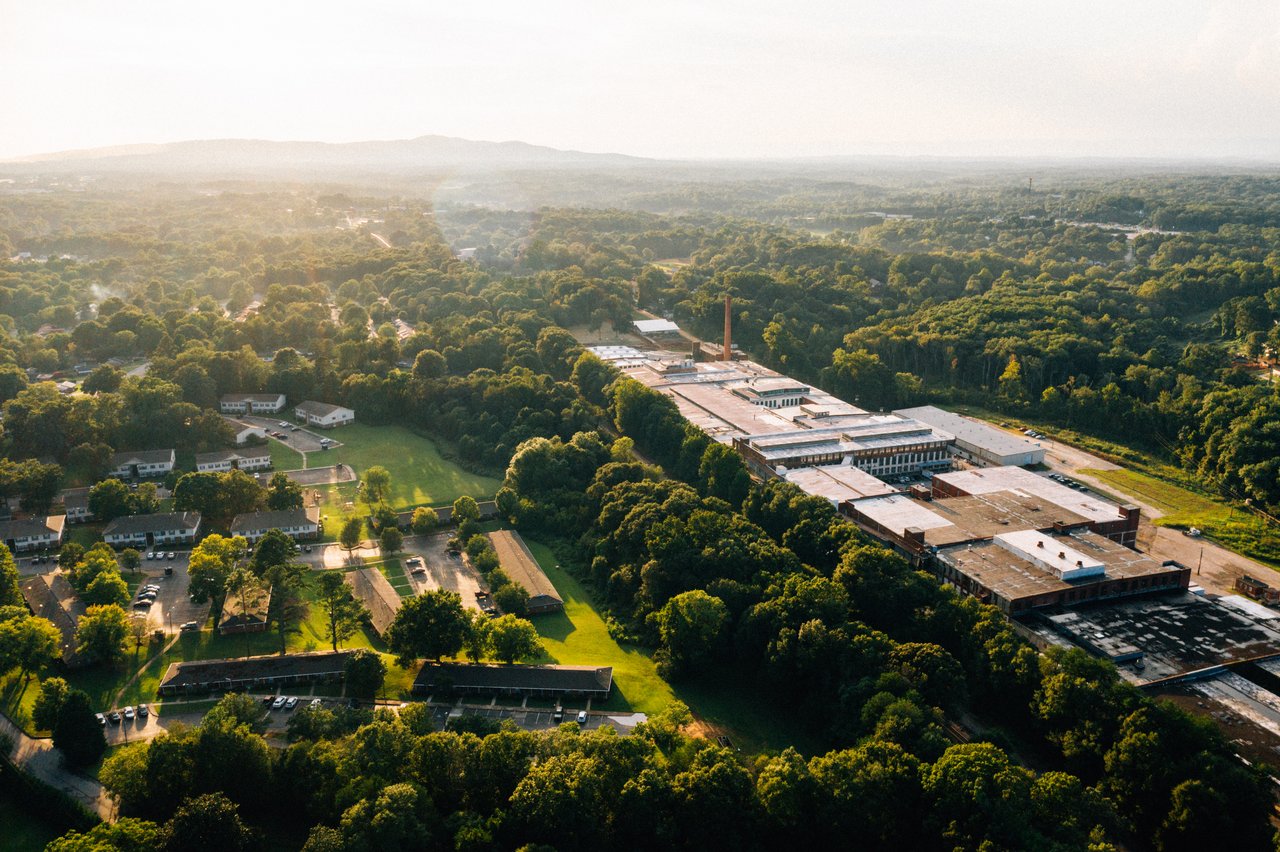
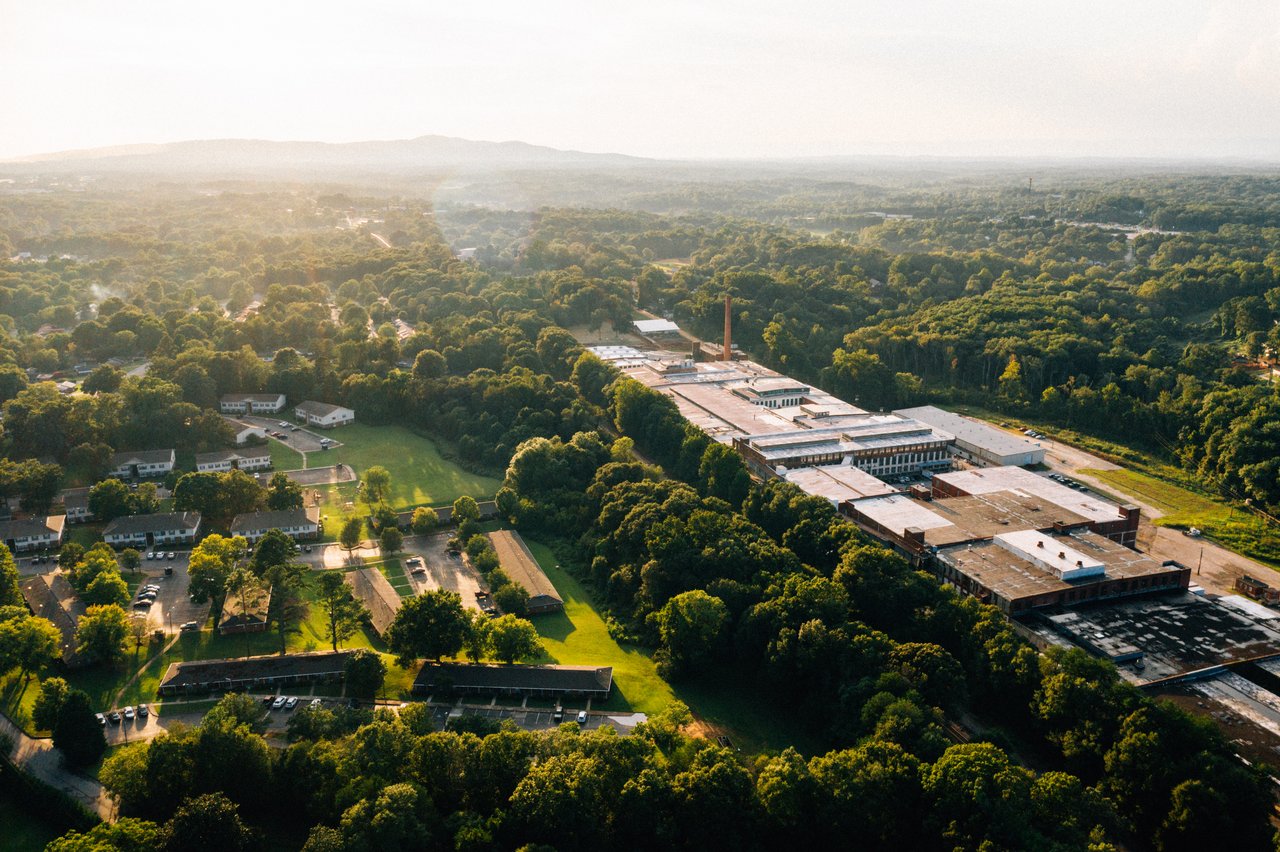
Fountain Inn offers a mix that many buyers want but do not always find easily. The area includes forests, farmed fields, residential subdivisions, and larger tracts near the edges of the city limits. In the city study area, agriculture makes up 11,166 acres, or 37.9%, while rural residential land over 2 acres makes up 6,361 acres, or 21.6%.
That mix helps explain why Fountain Inn feels semi-rural instead of fully rural. You may be able to buy land without feeling cut off from town. The I-385 corridor also gives direct connections toward Greenville and I-26, which matters if you want breathing room without giving up access.
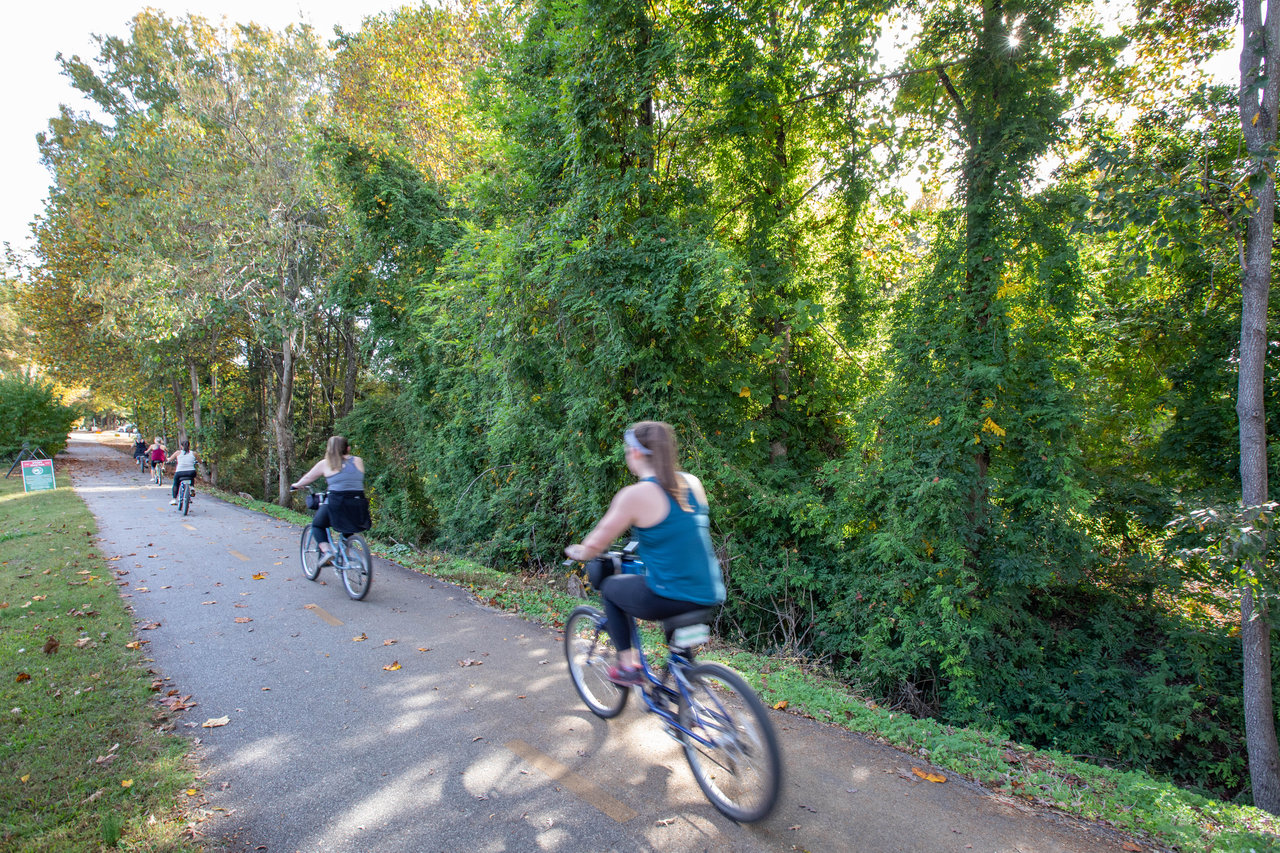
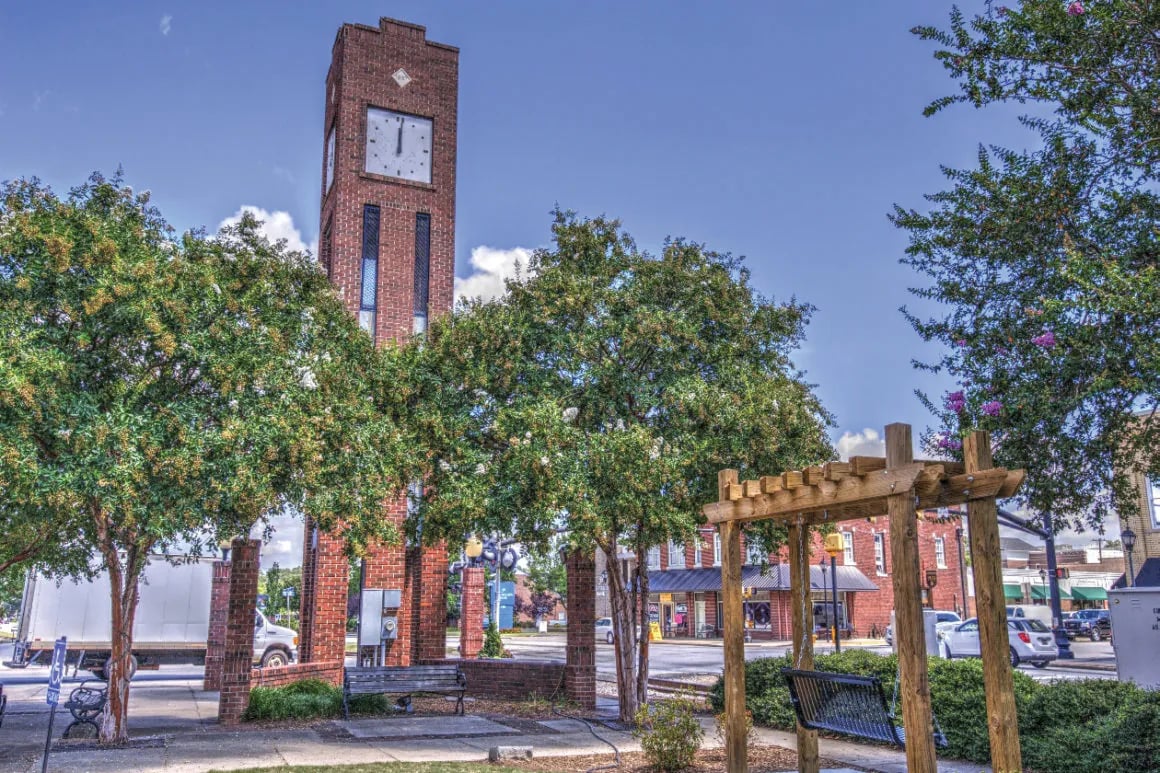
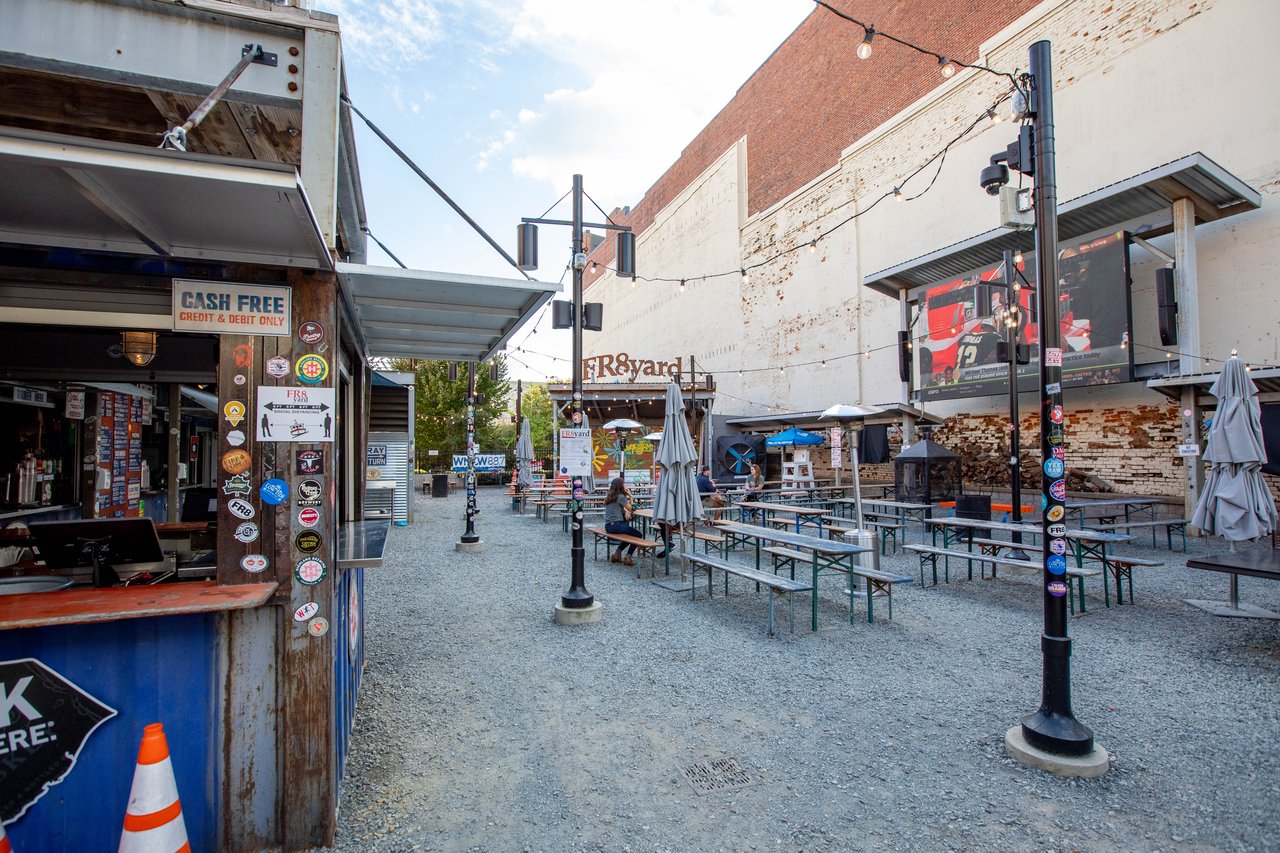
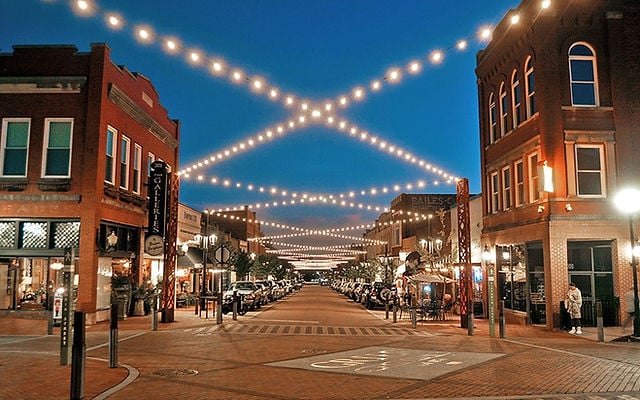
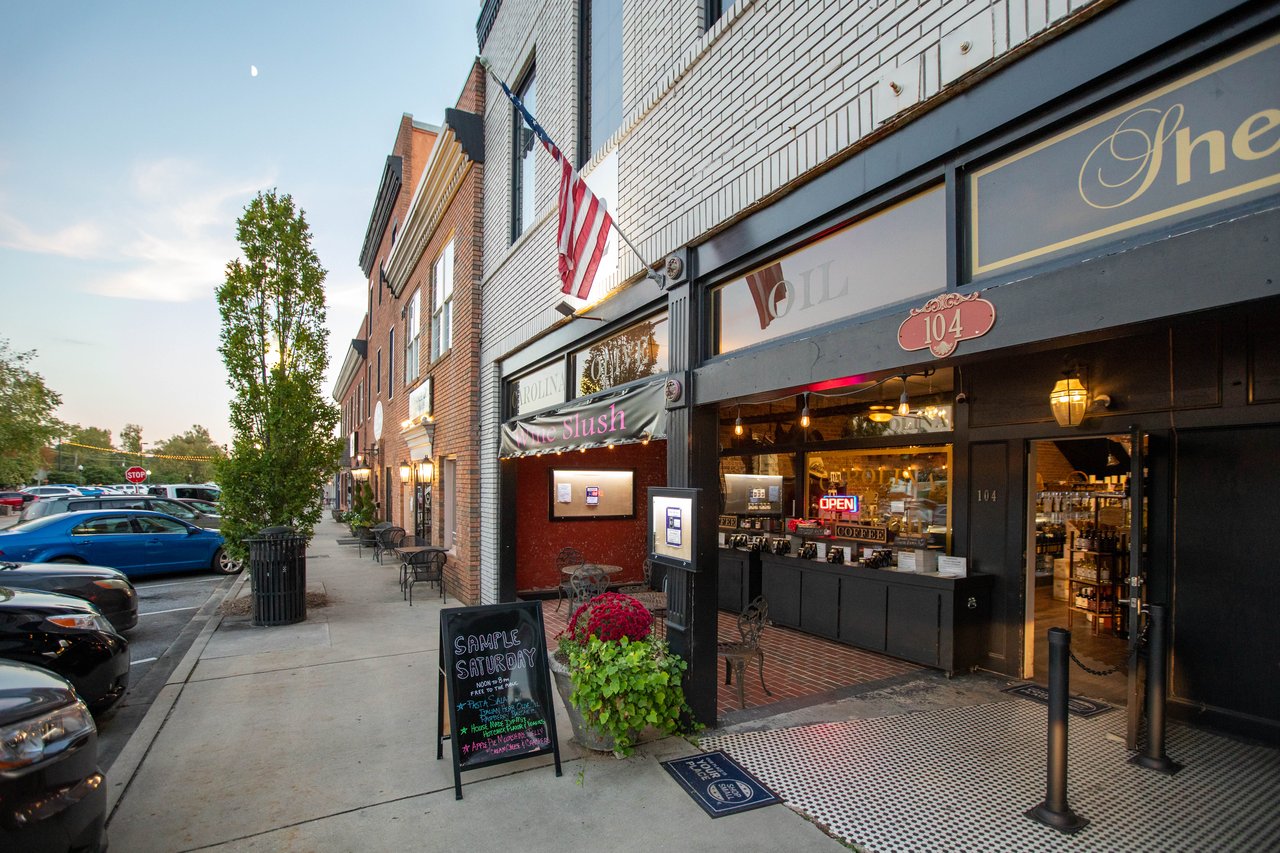
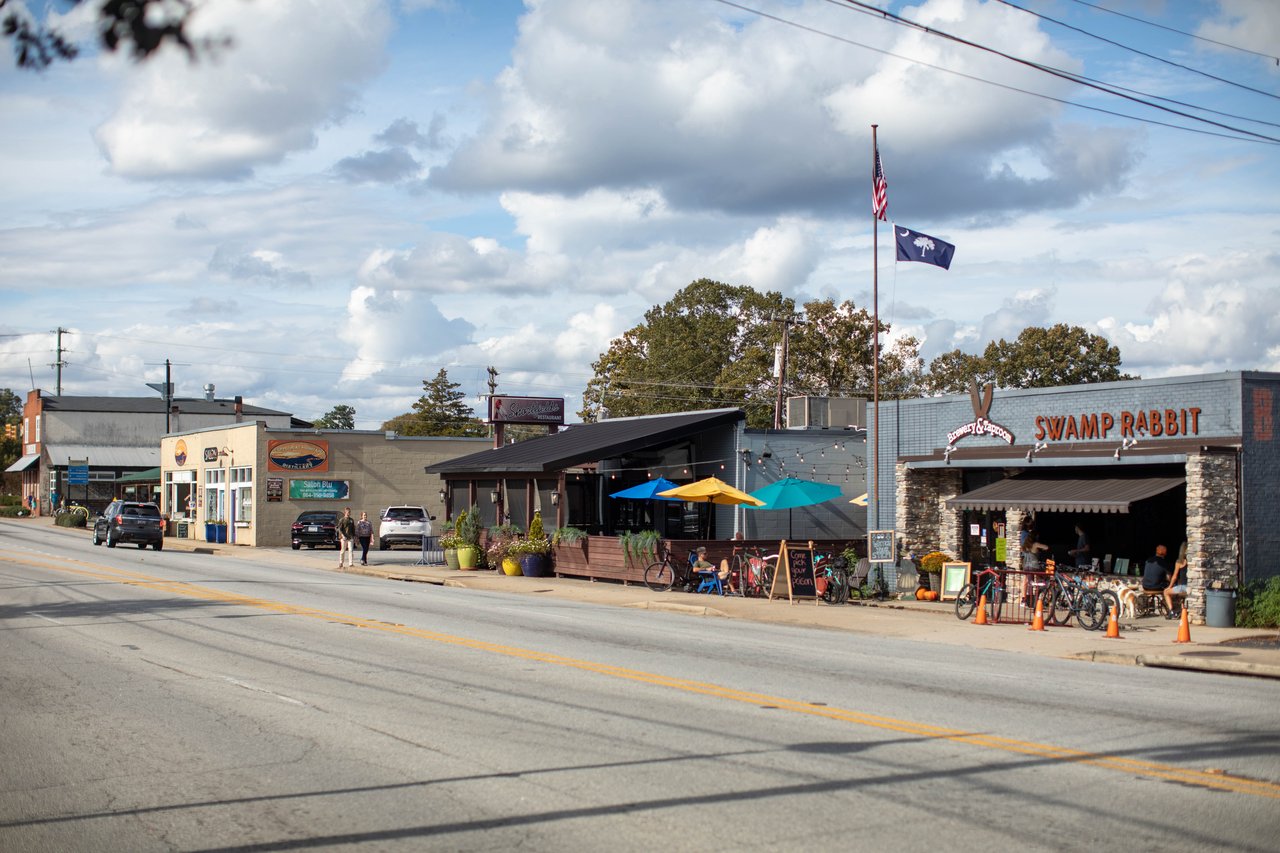
Another part of the draw is lifestyle. Fountain Inn reports six public parks, more than 4 miles of walking trails, an indoor activities center, and over 50 acres of parks. The city also highlights downtown festivals, farmers markets, music events, restaurants, retail, sidewalks, and on-street parking.
What “Acreage” Means Here
One of the biggest surprises for buyers is how broad the term acreage can be around Fountain Inn. In current listing snapshots, properties range from neighborhood homes on about one-third of an acre to 1 to 2 acre homesites and larger horse-property tracts up to 26.76 acres. That means your version of “space” may look very different from someone else’s.
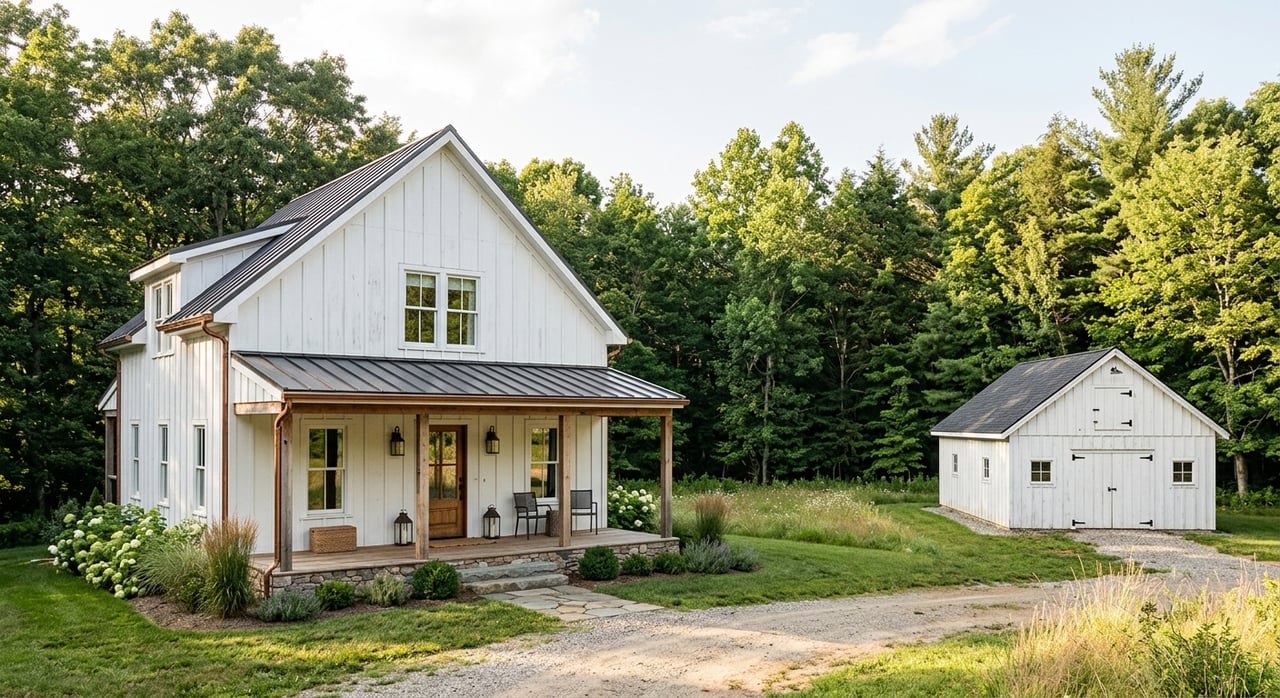
You will also see a wide range of property styles. Recent examples include manufactured homes on 0.87, 1.07, 2, and 4.9 acres, a 4-acre barndominium, a 9.87-acre office and workshop tract, and a 1.9-acre mini-farm-style estate. In other words, farm living around Fountain Inn is not limited to a traditional farmhouse.
This is one reason local guidance matters. Two properties may both look rural online, but one may function like a large-lot homesite while the other may be better suited for animals, equipment, outbuildings, or a more flexible lifestyle setup.
Common Property Types Around Fountain Inn
Large-lot homesites
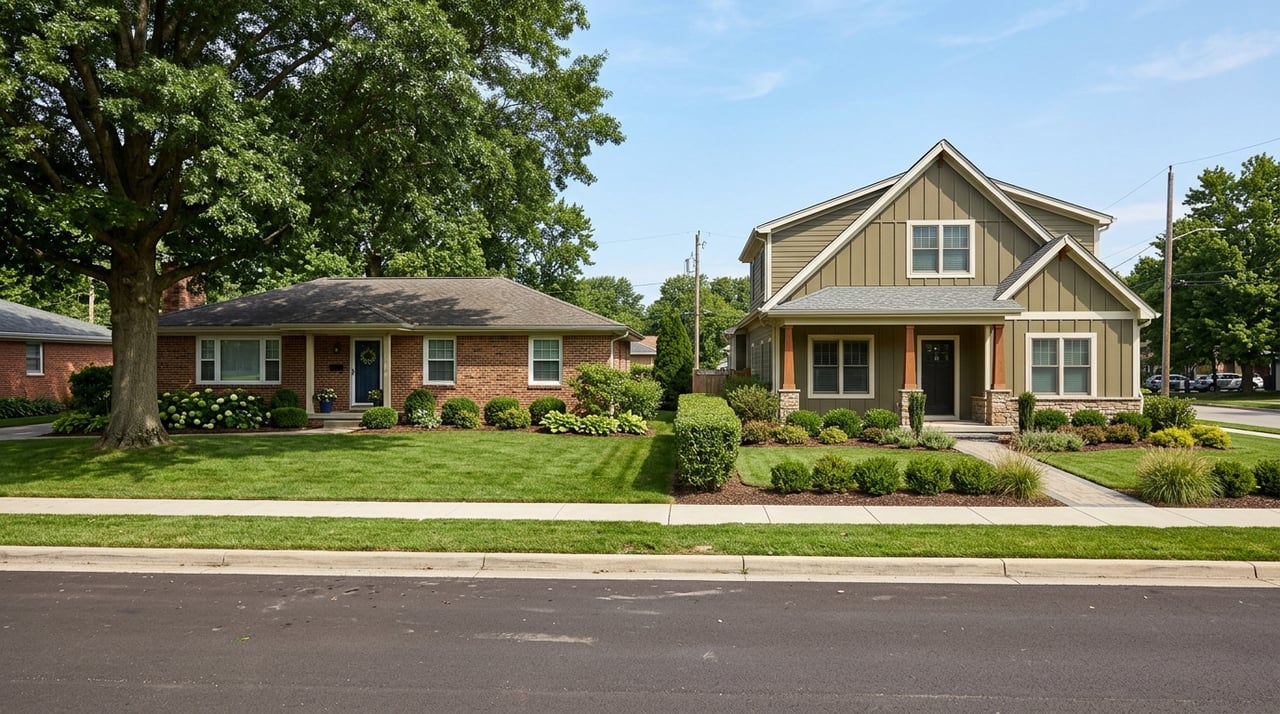
These properties often appeal if you want more privacy, outdoor space, or a buffer from neighbors without taking on full farm responsibilities. A large-lot homesite may give you room for a garden, detached garage, or future outdoor projects, depending on the parcel and local rules.
Hobby farm setups
Greenville County planning describes rural living areas as low-intensity places with large lots or clustered homes that preserve open space. It also notes hobby farms on large lots with residential homesteads as common land uses. If you picture a home with open land, fences, maybe a pond, and room for a small-scale rural lifestyle, this is often the category buyers are really talking about.
Horse or pasture properties
In local listing language, pasture usually refers to fenced open land intended for grazing, turnout, or riding. If horses are part of your plan, this wording can be useful, but it is still only a starting point. You will want to confirm how the land is laid out and what the property actually supports.
Properties with outbuildings
You will often see the term outbuildings in acreage listings. This can include barns, sheds, storage buildings, workshops, carports, and other detached structures. These features can add flexibility, but they also raise practical questions about condition, access, utilities, and permitted use.
Mixed-use tracts
A mixed-use tract in listing language usually means a property that combines a homesite with office, workshop, warehouse, storage, or another nontraditional setup. These properties can be appealing if you want space for equipment or a flexible work area, but they require extra care during due diligence.
The Real Tradeoffs of Land Living
The dream of more land usually comes with more responsibility. Around Fountain Inn, utilities and maintenance are often the biggest tradeoffs between a standard subdivision home and an acreage property.
The first major question is usually sewer versus septic. South Carolina’s environmental agency says septic systems are the homeowner’s responsibility, and connection to a wastewater facility is not always available in rural areas and small communities. The agency also says a permit is required before building on property that is not served by public or community sewer.
That can affect both your budget and your plans. If you are buying vacant land or thinking about future additions, it is important to know early whether the property has sewer access or will rely on septic.
Private wells can be another factor. State guidance says private wells are also the owner’s responsibility, including testing and treatment. If a property is not on public water, you will want to understand what that means for ongoing care and long-term maintenance.
Gas service is worth checking too. Fountain Inn Natural Gas says it may extend a service line up to 300 feet in qualifying situations, but obstacles like directional boring, creek crossings, bridge crossings, railroad crossings, or other site conditions can lead to additional costs or make service infeasible.
It is also important to confirm who serves the property. Fountain Inn’s Public Works FAQ states that Public Works does not provide water, power, or natural gas services. On acreage properties, it is smart to verify utility providers rather than assume service works the same way it does in a neighborhood subdivision.
Questions to Ask Before You Buy Land
Acreage purchases usually need more parcel-specific research than a home in a typical subdivision. What looks simple in photos can be more complex on paper.
Here are a few smart questions to ask early:
- Is the property served by public sewer, septic, or neither yet?
- Is there public water, a private well, or another water source?
- Which utility providers serve the parcel?
- Are there existing outbuildings, and are they suited to your plans?
- Do you want animals, a barn, a workshop, or room for future improvements?
- Is the property inside city limits, in county jurisdiction, or affected by both?
- Are there floodplain, drainage, easement, or access concerns?
- Could the property be subdivided later, or is that unlikely?
These questions matter because land use is not just about what a property looks like today. It is also about what you can legally and practically do with it later.
Why Zoning Matters More Than Buyers Expect
Zoning can shape almost every part of the acreage-buying decision. Greenville County says zoning verification is a formal request used to confirm the zoning district of a property, and it makes clear that land-use codes used for taxation are not zoning districts.
That distinction matters. A property may be taxed one way and still have zoning rules that affect animals, buildings, business use, setbacks, or future division of the land.
Timing matters too. Greenville County notes that a typical rezoning can take three to four months. Fountain Inn also adopted a new Unified Development Code on February 12, 2026, so it is especially important to check current setbacks, overlays, subdivision rules, and permitted uses instead of relying on older listing descriptions.
If you hope to keep animals, build a barn, add a workshop, or pursue a home-based business, zoning review should be part of your early process. Greenville County notes that home occupations may be permitted with review and approval, which again shows why a closer look is important before you commit.
Farm Feel Versus True Farm Function
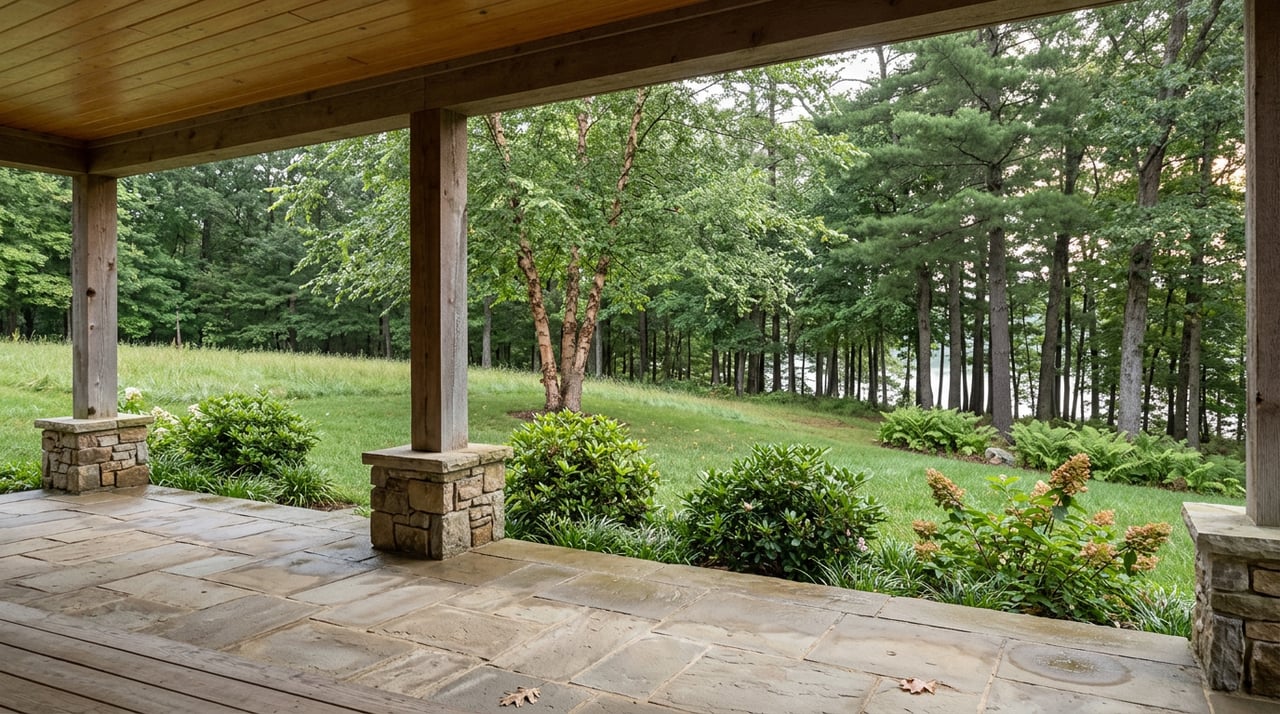
This is where many buyers benefit from local perspective. Some properties offer a strong farm feel with open views, tree lines, fences, and usable outdoor space. Others support more functional rural use with cropland, pasture, livestock-related features, ponds, or drainage swales, which Greenville County identifies as common in rural areas.
Those are not always the same thing. A property can feel rural and still have limitations tied to zoning, easements, utilities, or development rules. That does not make it a bad property, but it does mean the right fit depends on your goals.
For some buyers, the best match is a home with a little space and low upkeep. For others, it is a hobby farm setup with room to expand daily living outdoors. The key is matching the parcel to the life you actually want to live.
What to Look for During Due Diligence
When you are evaluating land or farm-style property around Fountain Inn, a careful review can save you time, money, and frustration later. Rural and semi-rural purchases often reward patience.
A strong due diligence process may include:
- Reviewing the plat and parcel layout
- Confirming current zoning and permitted uses
- Checking whether septic or well approvals are needed
- Verifying utility availability and providers
- Looking at access points, topography, and drainage
- Reviewing existing structures and outbuildings
- Clarifying whether the property is in city or county jurisdiction
- Asking how your intended use aligns with current rules
This kind of upfront clarity is especially valuable in a market like Fountain Inn, where space, growth, and infrastructure all intersect. The right property is often the one that balances freedom, practicality, and long-term fit.
Why Fountain Inn Can Be a Sweet Spot
For many lifestyle-driven buyers, Fountain Inn hits an appealing middle ground. You can find properties with more room and a more open setting, while still staying connected to a community with parks, trails, downtown events, and everyday conveniences.
That balance is the heart of the local market. Fountain Inn is not purely suburban, and it is not far-flung rural in every direction either. If you want land without fully stepping away from town life, this area can offer a compelling combination.
If you are comparing homesites, hobby farm possibilities, or larger tracts around Fountain Inn, having a local guide helps you separate the properties that simply look the part from the ones that truly support your plans. When you are ready to explore your options, connect with Nest Realty - Greenville for thoughtful, local guidance.
FAQs
What does acreage living around Fountain Inn usually look like?
- Around Fountain Inn, acreage can mean anything from a larger residential lot to a small-farm or horse-property tract, depending on the parcel size, layout, utilities, and zoning.
What should buyers check first on Fountain Inn land?
- Start by confirming sewer or septic service, water source, utility providers, zoning, and whether the property supports the way you want to use it.
Are Fountain Inn acreage properties always fully rural?
- No. Fountain Inn is better described as semi-rural, with a mix of agricultural land, large-lot residential areas, subdivisions, and access to town amenities.
What does “pasture” mean in Fountain Inn property listings?
- In local listing language, pasture usually refers to fenced open land intended for grazing, turnout, or riding.
Why is zoning so important for Fountain Inn land buyers?
- Zoning can affect whether you can keep animals, build structures, run a home occupation, or divide the property later, so it is a key part of acreage due diligence.
Can utility service vary from one Fountain Inn tract to another?
- Yes. Utility availability can differ a lot from parcel to parcel, which is why buyers should verify sewer, water, gas, and power service for each specific property.